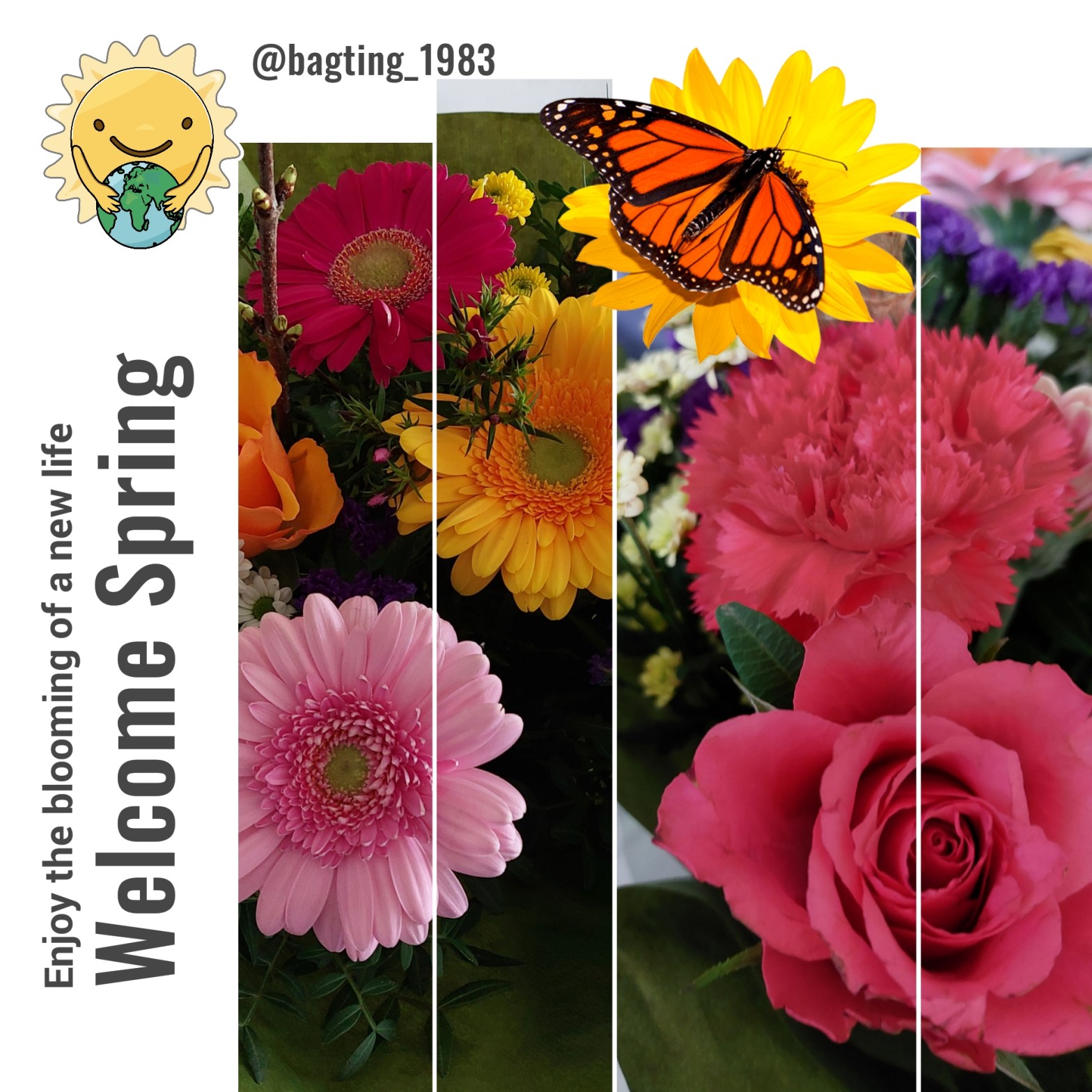
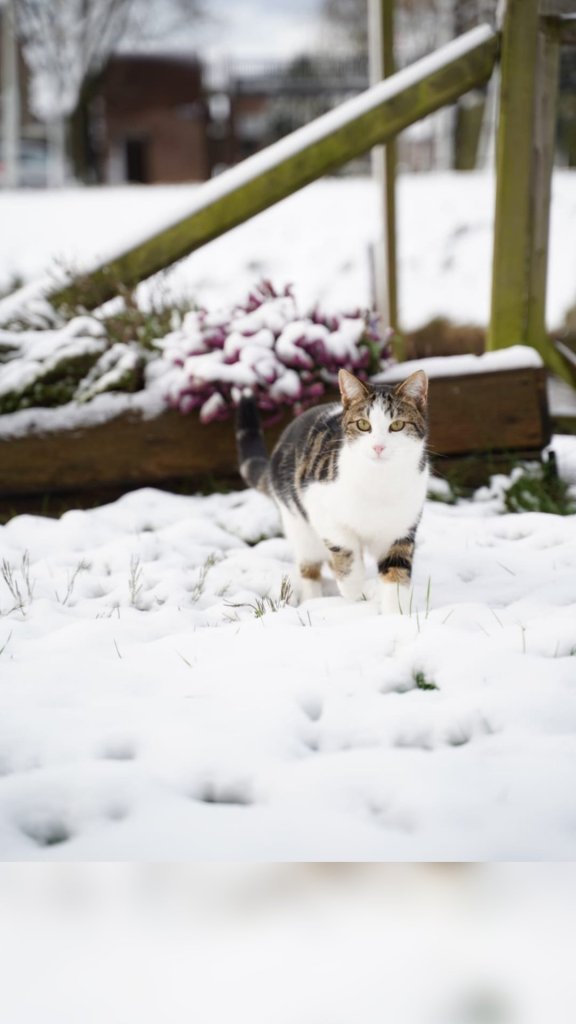
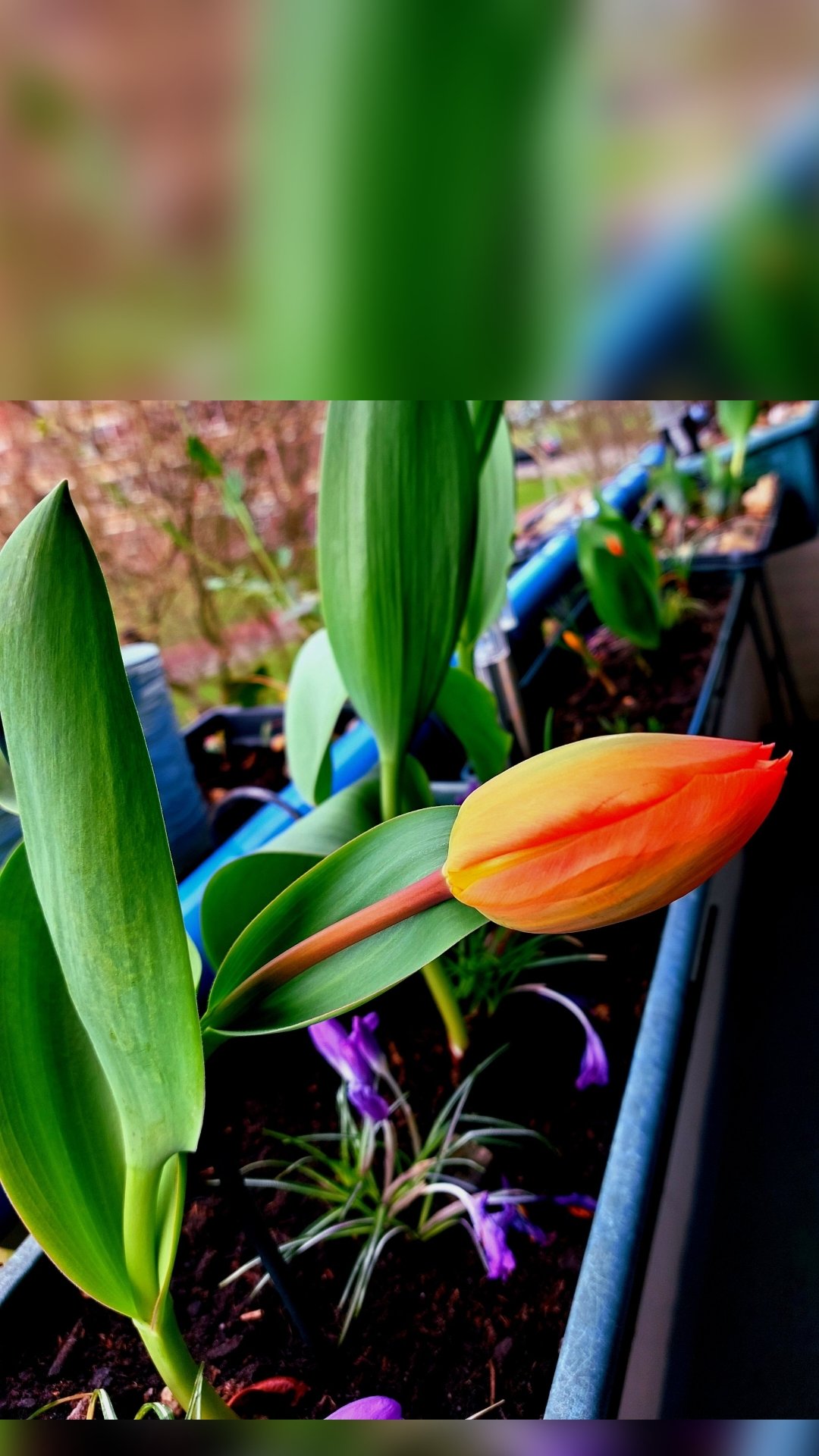
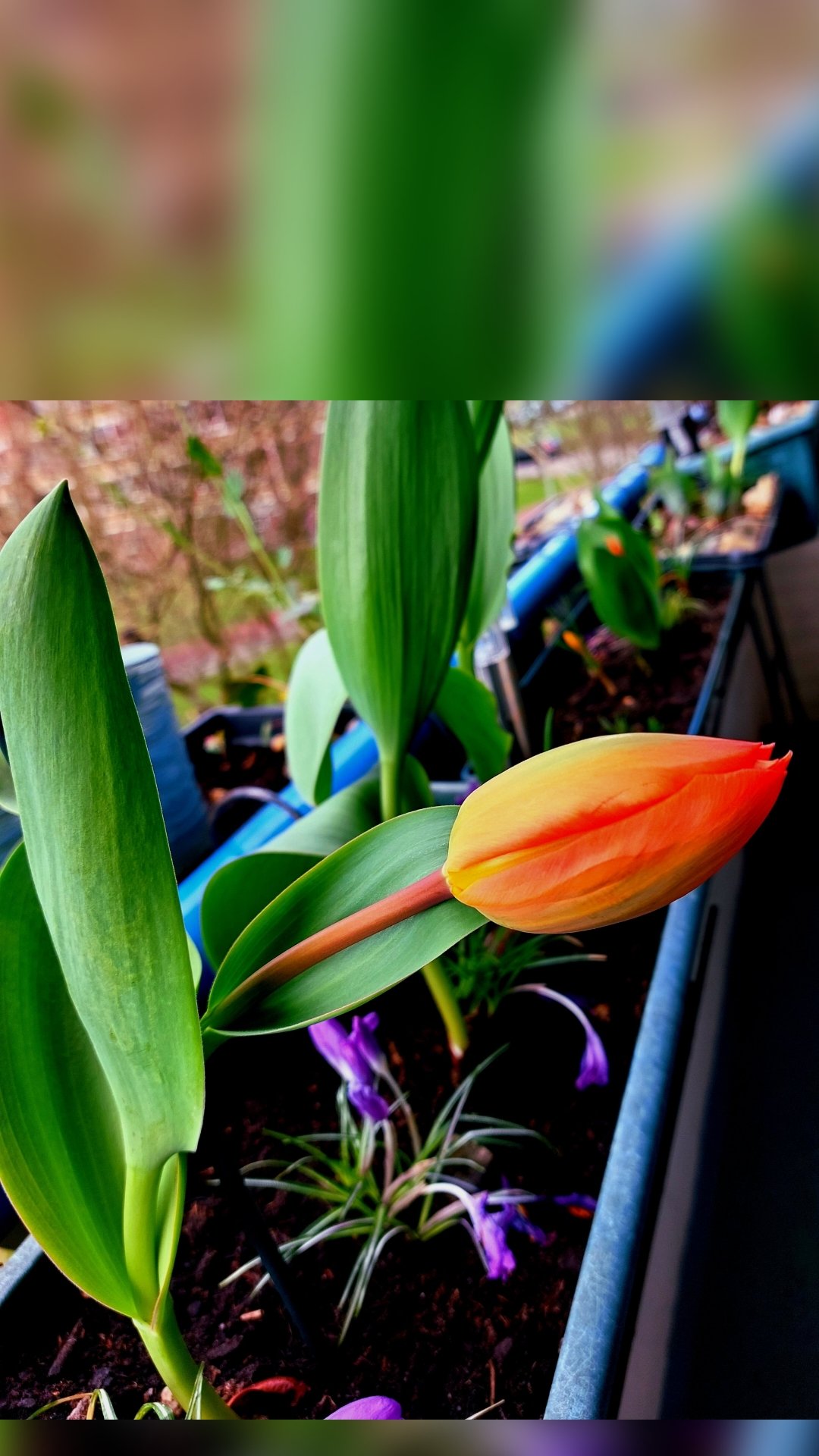
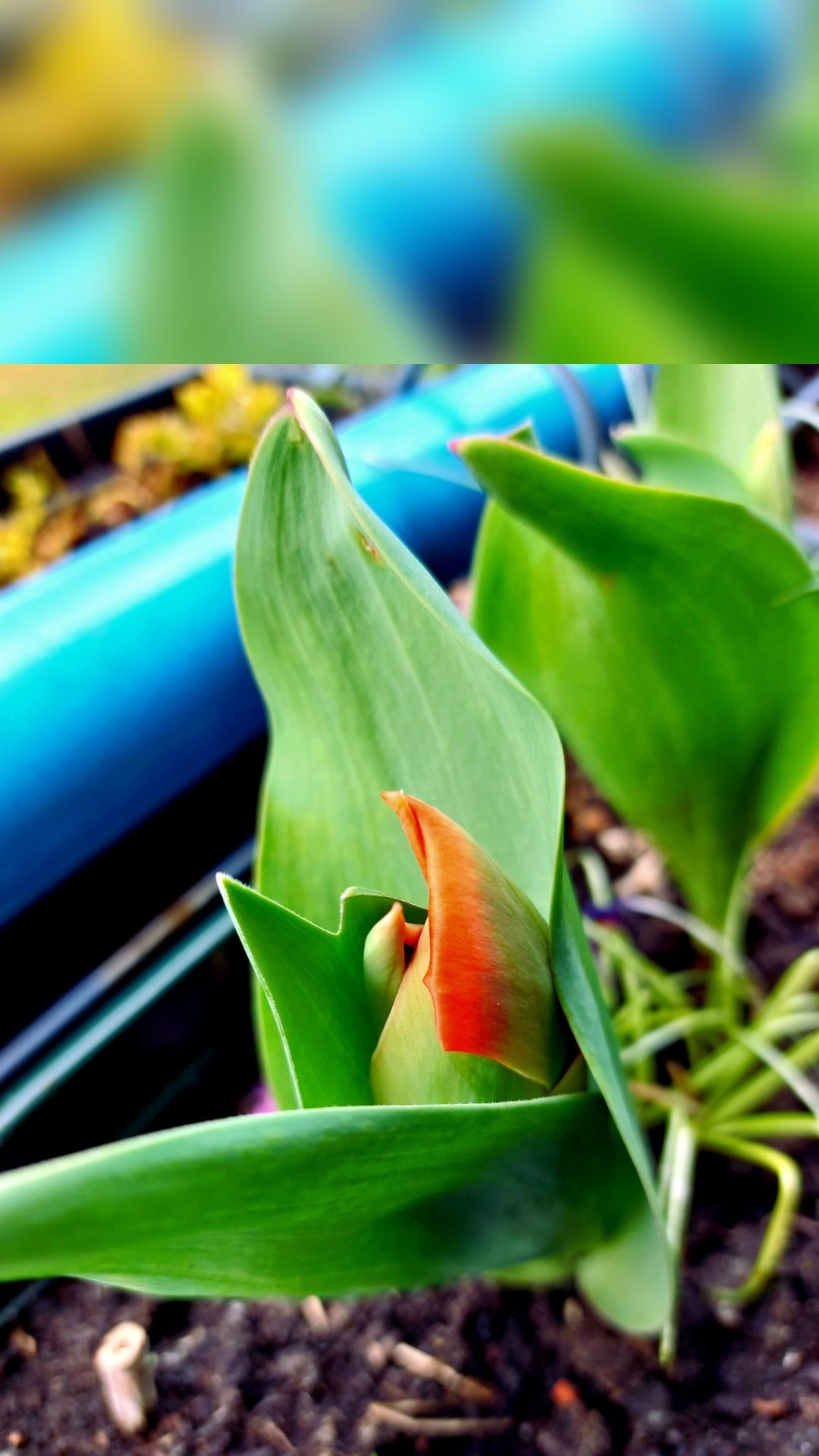
March was dominated by many new things & first times and of course the glorious sunshine. Quite ironic that there was a pack of snow at the first day of April here in the Netherlands, a unique way to welcome the rebirth of spring and to restart your life fresh. How about you, what does spring means to you?
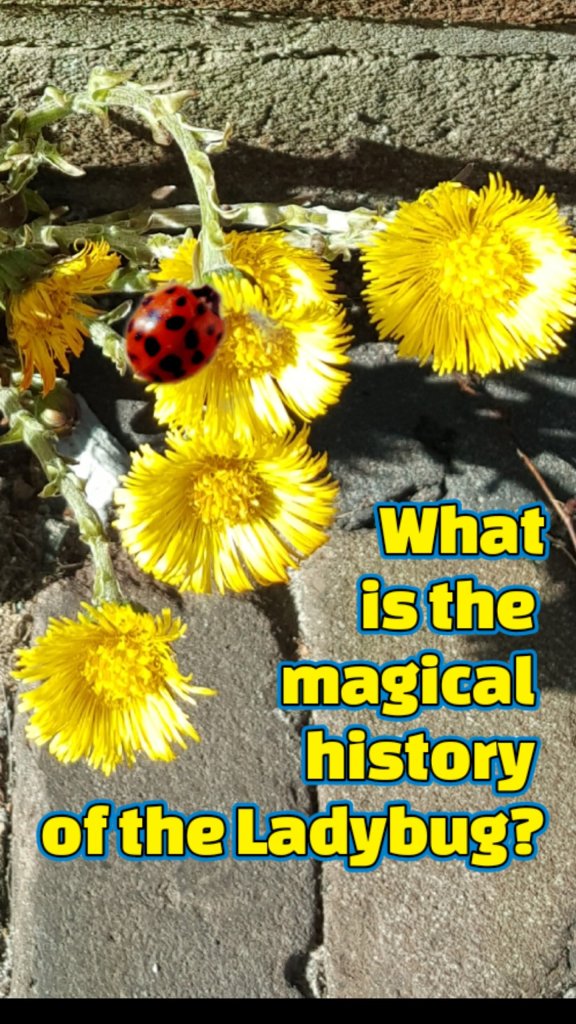
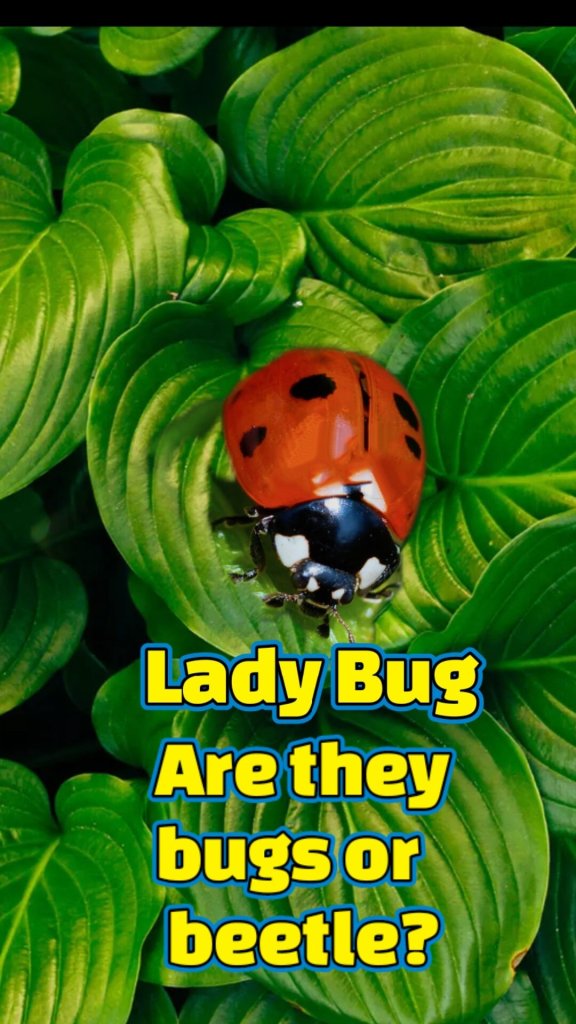
As a small child I was told about the importance of the ladybugs to our nature and to humans. Learning from our science teacher about the history behind it I became fascinated about this cute polka dotted red/black beetle.
Ladybugs are popular among people specially children because they are attractive, graceful, and harmless to humans. Somehow It became my inspiration to draw too.
Farmers, on the other hand, adore them because they consume aphids and other plant-eating pests.
And they eat a lot: a single seven-spot ladybugs can consume over 5000 aphids over the course of a year!
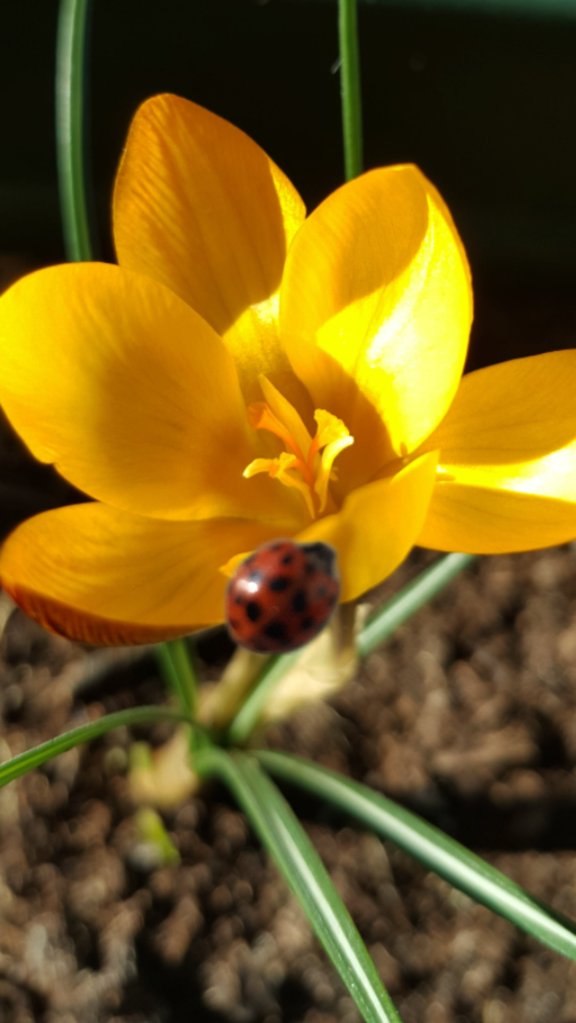
Next time you see ladybugs in an area of leaves, remember they’re a friend to healthy gardens and no threat to you or your family.
I really have high respect to this cute beetle ever since my grandmother told me her version about the history behind it.
Here are historical facts about Ladybugs
They’re not bugs, they’re lady beetles.
The name ladybug was coined by European farmers who prayed to the Virgin Mary when pests began eating their crops.
Ladybugs wiped out the invading insects, and the farmers named them “Beetle of our Lady.” Later it was shortened to “lady beetle” and “ladybug”. In Europe, they’re called ladybird beetles.
According to some cultures you can expect positive things to happen if you believe in the ladybug totem.
The main meaning of ladybugs centers around good fortune, true love, innocence, needing to make the right choices in life, happy resolutions, etc.
So what does it mean to see a ladybug?
When you encounter the ladybug spirit animal at any point, you can be sure that positive transformations are on the way. Ladybug symbolism exudes happinessm and positivity. If you believe in the ladybug totem, you can be sure of good things happening to you.
Most importantly, to accept the blessings she gives you when you encounter her and to accept her as a powerful ally in making important changes in life.
Ladybugs play an important role in both household gardens and the environment, as they eat small insects that might harm flowers and crops.
Ladybugs in the garden eat harmful pests and their eggs.
Aphids, scales, mealy bugs, leafhoppers, mites, and other insects are all eaten by ladybugs, who are natural predators.
Many farmers rely on ladybug populations to help them keep pests out of their crops.
Ladybugs may even adapt to living on trees and feed on the hazardous insects that live there. So aren’t they special?
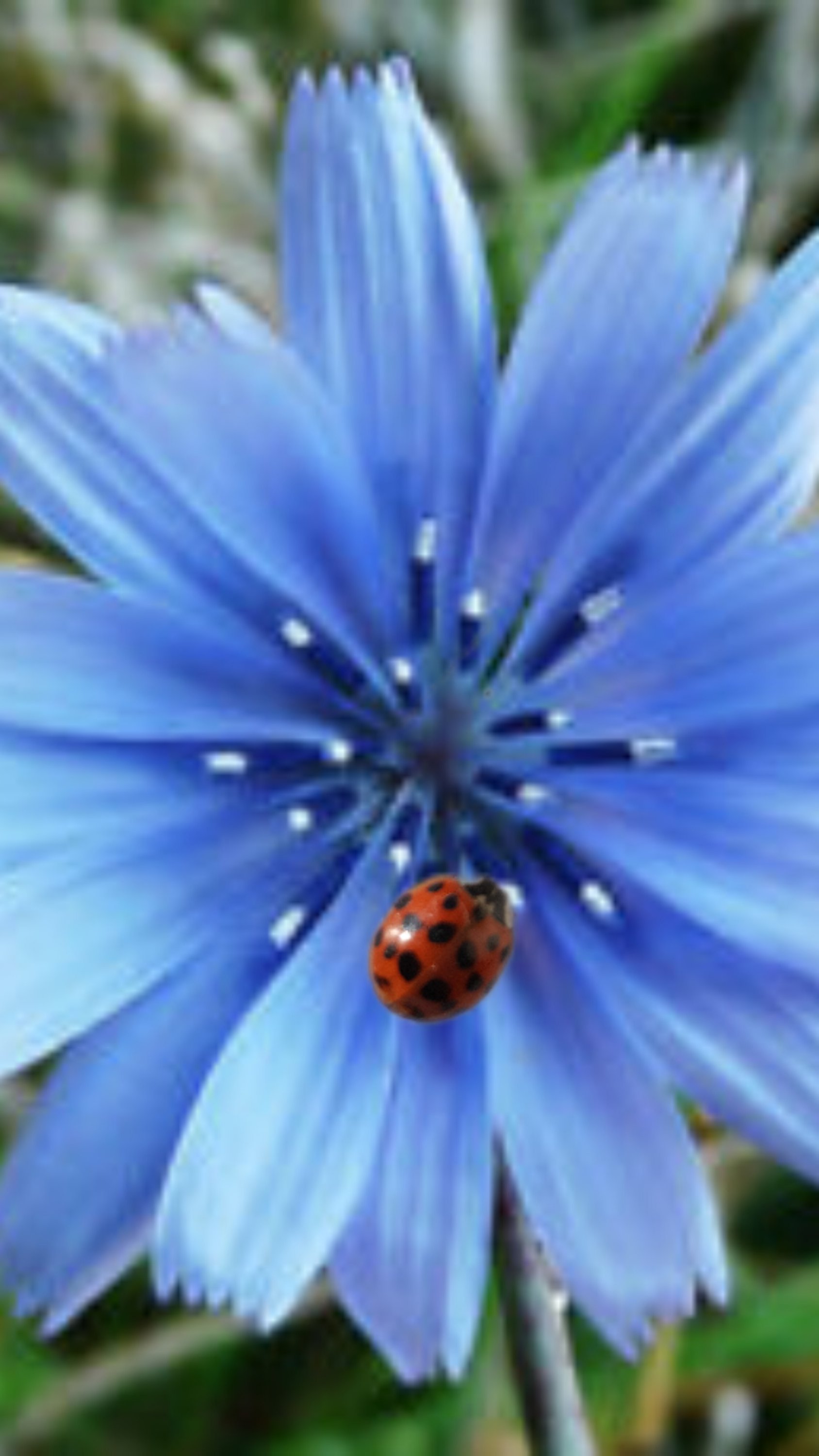
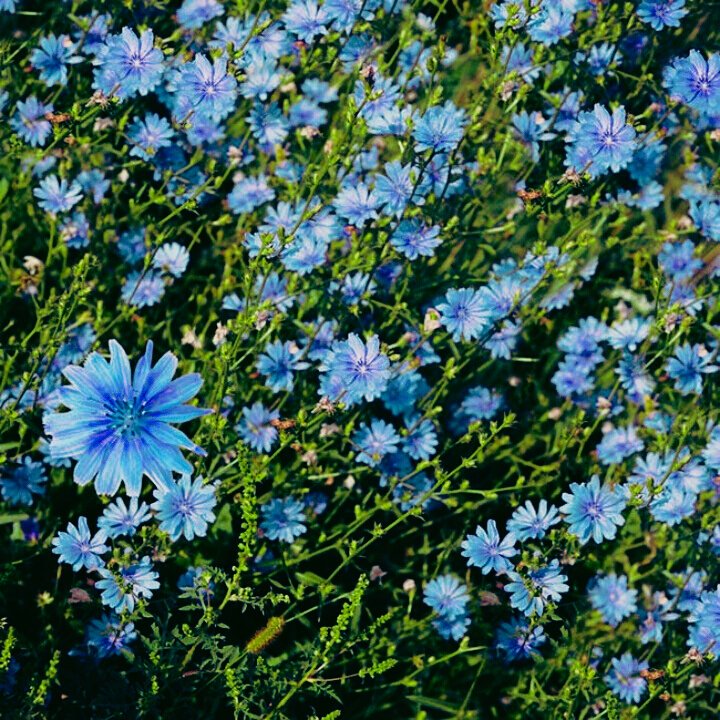
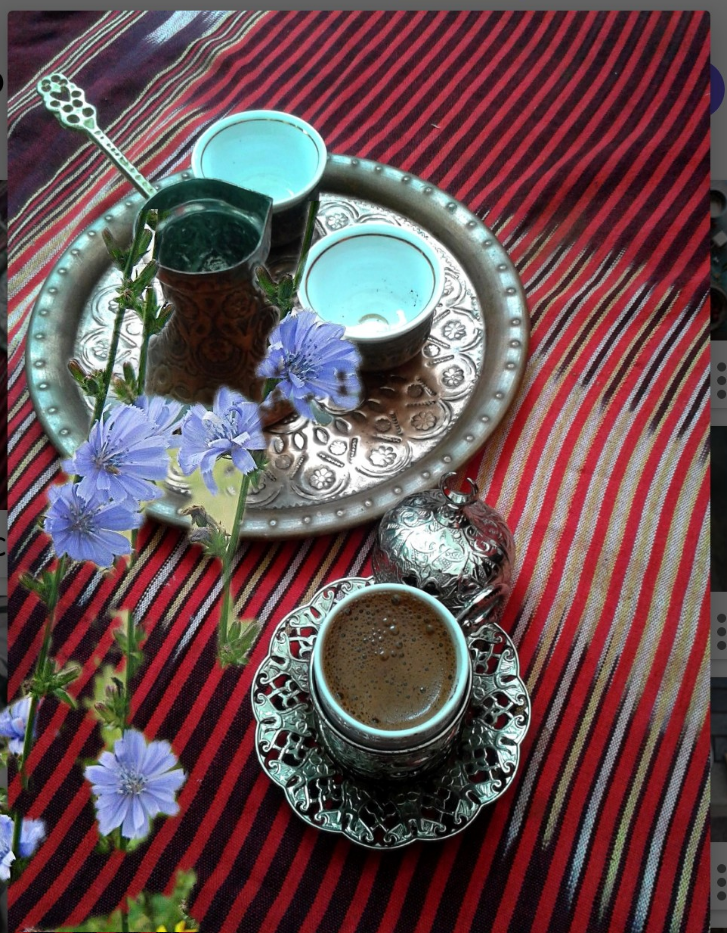
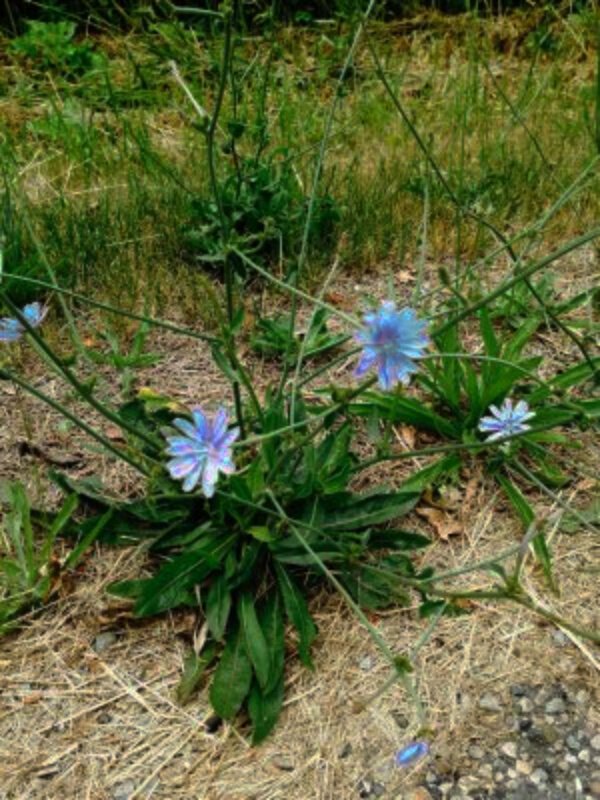
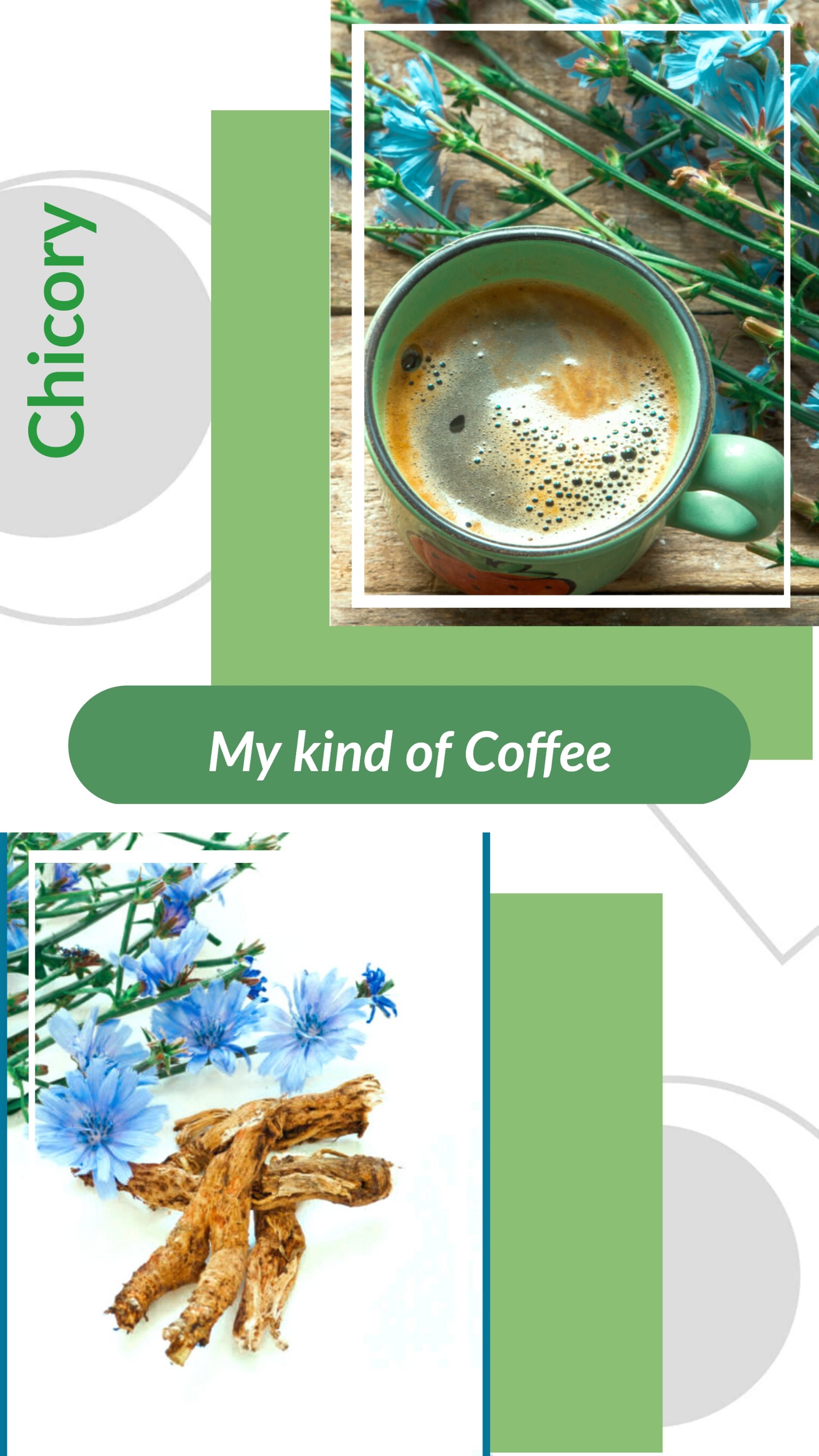
I have to admit I haven’t heard of it until one day , I saw this radiant blue flowers while walking along the roadside early in the morning. It’s almost as if the deep blue sky that you only see on a high mountain so I took a picture of those cute rays of flowers with a plant identifier app and that’s how I found out that those beautiful flowers /plant is the source of Chicory Coffee.
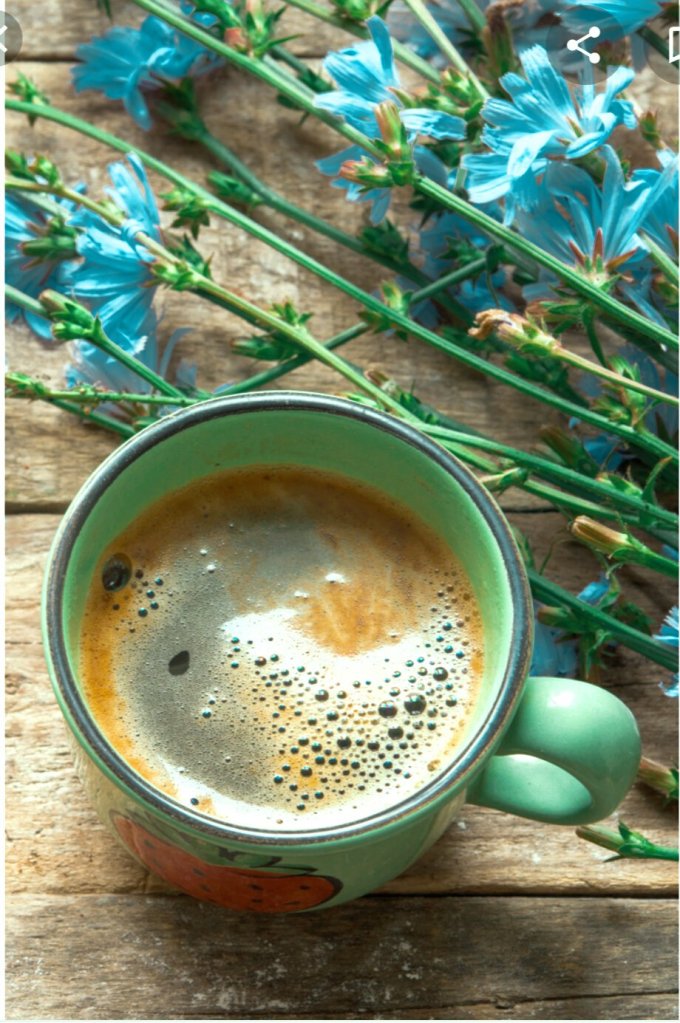
Chicory coffee is extremely popular with regular coffee-loving people who are trying to reduce their caffeine intake—it tastes similar, but doesn’t cause the jitters and does not keep you awake at night.
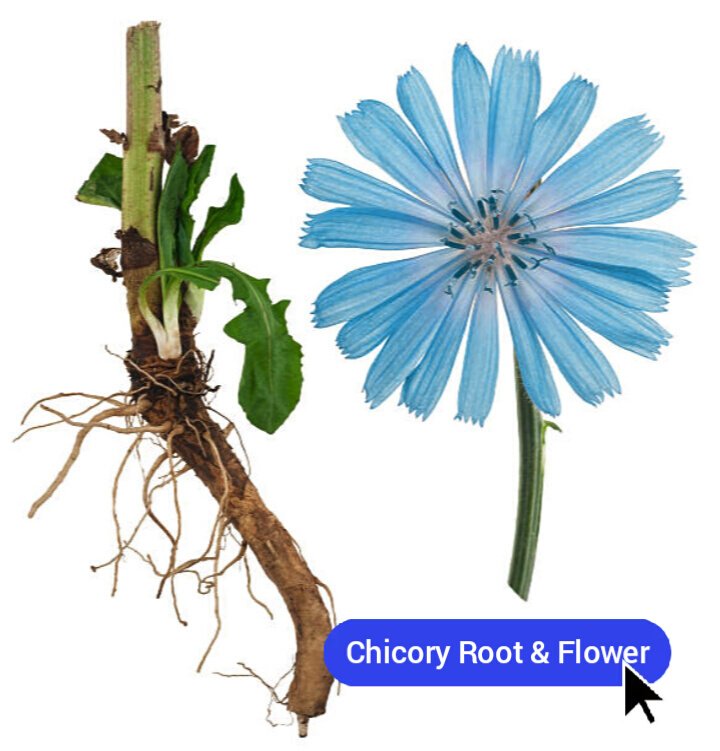
It has the same earthy flavor of regular coffee without the heart pounding buzz of caffeine. The beverage chicory coffee is produced by brewing roasted chicory roots.
Imagine this root turn into a brewed coffee .
Yes , you heard it right and it is not the only part of Chicory that is edible and useful . Almost all parts of the chicory plant are edible, but when dried and roasted, the roots have a rich, chocolaty flavor that can enhance the flavor profile of any dessert or beverage.
Ok, knowing that the leaves and flowers of Chicory are edible , I get more curious and search for recipes and voila (noted it) I will give it a try. Specially the pickled flower recipe.
According to search ,Chicory (cichorium intybus) is a member of the dandelion family, which also contains edible flowering plants like radicchio, frisee, and endive.
Chicory has a long history and is one of the oldest recorded types of plants and its cultivation is thought to have originated in Egypt in ancient times. plant is native to northern Africa, western Asia, and Europe .
This is the strange part here because, I live here in Europe but why haven’t I heard of it? But after further research I learned the truth why it became very popular in New Orleans during the civil war in 1840 and not here in Europe.
Anyone from New Orleans will tell you that chicory is much more than a caffeine-free coffee substitute. Chicory coffee was created out of necessity .
It’s a unique drink that’s as much a part of the city’s culinary history as jazz, muffalettas, and the Civil War.
Here I am finding out the history and origin of Chicory as a Coffee substitute.
According to research almost all of France’s coffee beans were imported from England at the time, so when military leader Napoleon Bonaparte decided to ban international imports, the French people had no choice but to seek an alternative (via Community Coffee).
They came up with a solution by roasting and steeping chicory root, which grew abundantly and provided a cheaper alternative to the beans they couldn’t get their hands on.
This practice was carried over to the Americas by French settlers after the Louisiana Purchase.
However, chicory coffee did not become popular in the United States until the Union blocked the port of New Orleans, preventing all of their own coffee imports.
To compensate, soldiers and poor southerners alike began combining coffee grinds with other sweet foods such as cornmeal and acorns to stretch whatever rations they had on hand.
They discovered, like the French, that chicory was the best at providing a coffee-like flavor at a much lower cost.
Next time , I will share about the amazing health benefits of Chicory . See You soon!
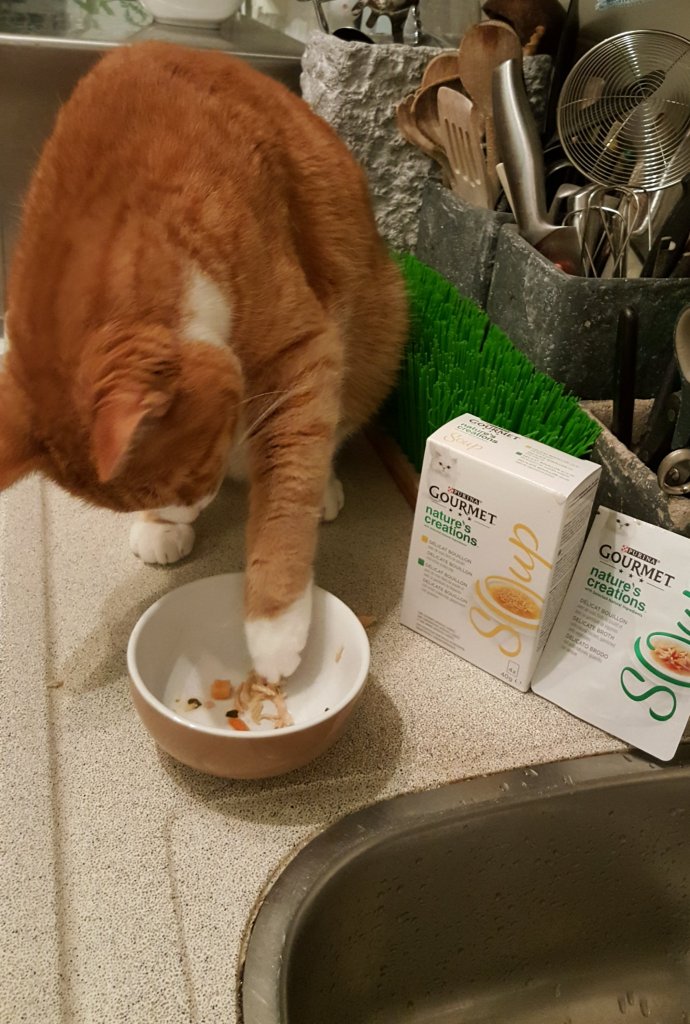
This isn’t only because they’re the cutest aspect of any cat.
Try being agitated while looking at an image of a cat’s paw.
They’re incredibly cuddly.
Squishy, squishy, squish
So wonderful in every way it will touch your heart .
They are, however, so much more!
The adorable paws of your cat aren’t just for show; they serve a variety of crucial functions in your cat’s daily life, from scratching to stress alleviation.
Okay, we get that your cat’s adorable tiny squish beans are hard to resist.
These paws touches my heart
It’s difficult not to want to squish them.
They’re soft, little, and completely endearing.
However, most cats dislike having their paws stroked for a reason: their paws are incredibly sensitive.
Your cat’s adorable paws feature a high concentration of nerve receptors, transforming them into finely tuned sensory organs.
Cats can sense changes in texture, pressure, and perhaps vibrations through their paw pads thanks to these sensors.
However, this also implies that their paw pads are extremely sensitive to temperature, pressure, and other factors.
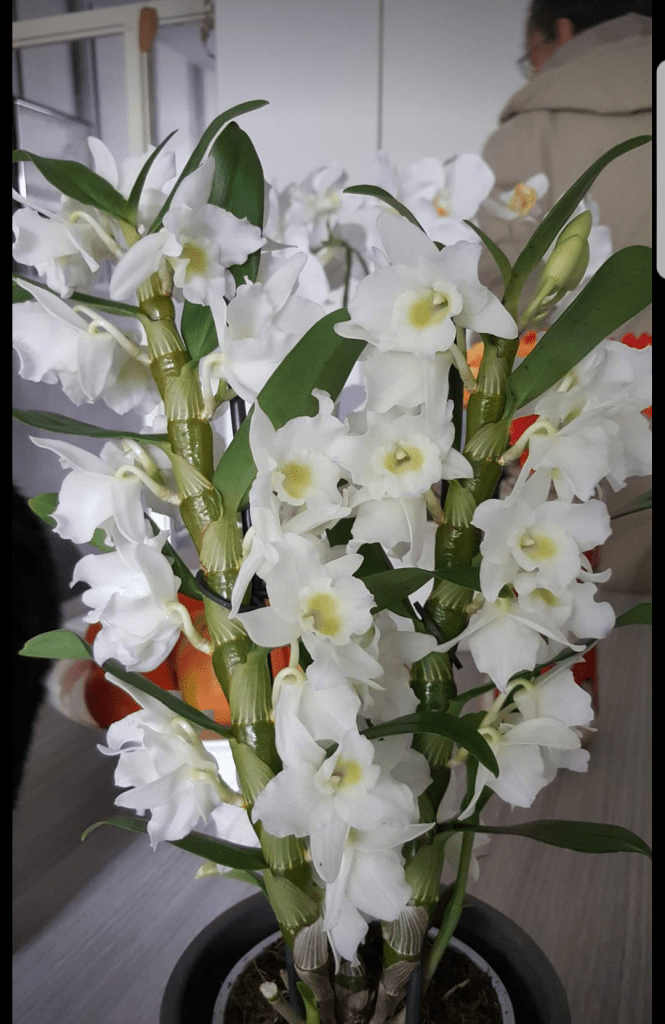
Orchids’ beautiful, classic, and eternal beauty reminds me of our mother. It reminds me of coming home and smelling the fragrance of her favourite orchid from a distance before entering our front gate.
Being an avid orchid lover our mother takes great pride in her plants and treats them in her very special way.
Dendrobium anosmum, her favourite, of course, is the most fragrant orchid of them all and always surprise her with clusters of beautiful orchid flowers that you can smell from a distance. Sanggumay ,common local name in the Philippines for Dendrobium anosmum although this orchid may have up to a dozen known local names.
With all the collections of indoor plants I’ve grown over the years I have never felt brave enough to try growing an orchid. The reason why is that they are so delicate and expensive but then I realize only orchids makes me feel the presence of our mother so I started buying orchids 5 years ago.
I’m so curious researching the names of orchids and taking pictures for the post have kinda got me into considering buying more.
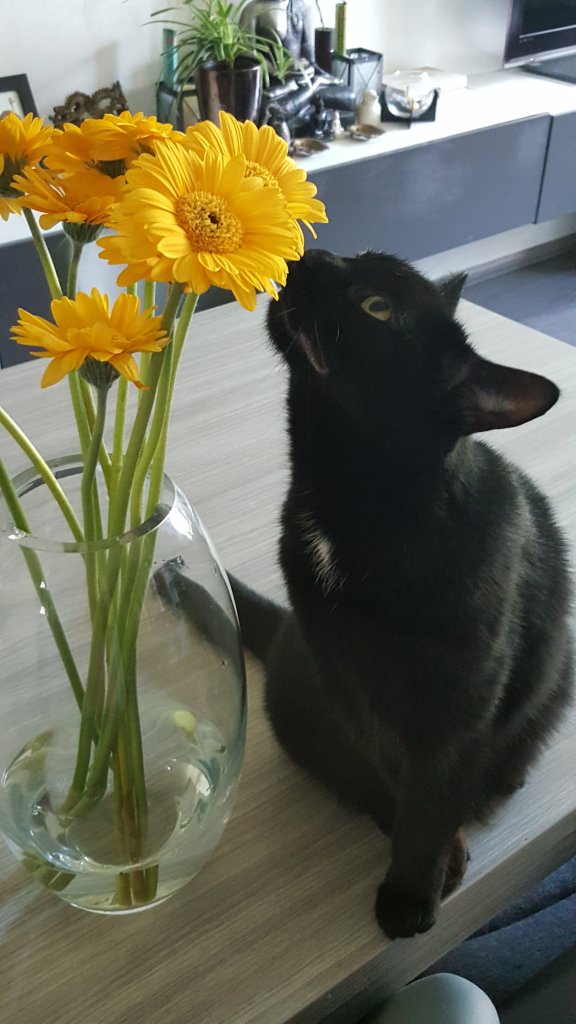
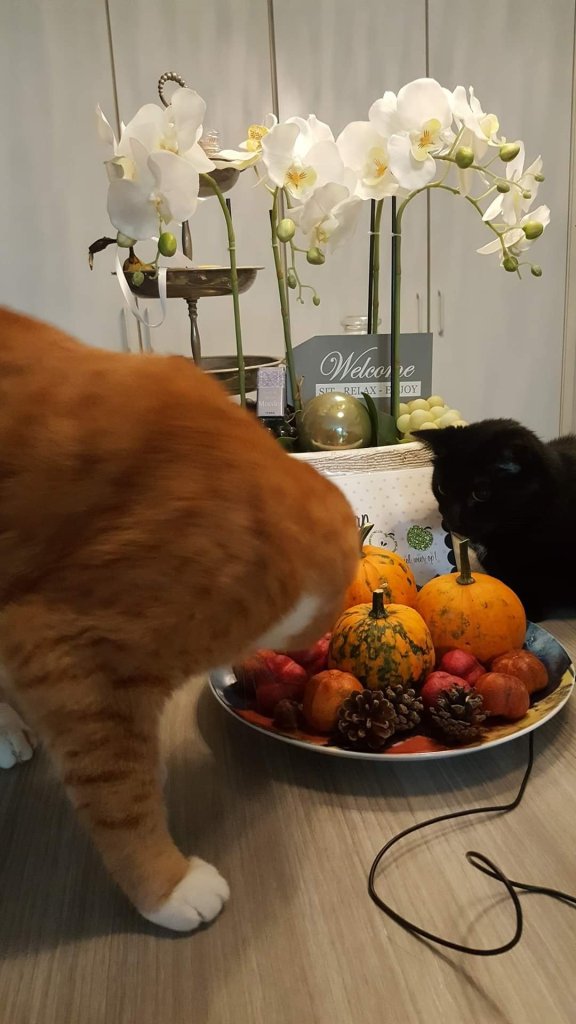
All cats owners should be aware that many flowers used in floral arrangements or as potted plants are toxic to cats.
List Of Non Toxic Flowers Below
Be aware that toxicity can cause anything from minor gastrointestinal problems to life-threatening organ failure to your dear pets.
Because cats are naturally inquisitive, it’s not unusual to find yours sniffing at the flowers in your home, and they may even begin licking and nipping at a leaf or petal if the scent piques their interest
Is it not so relieving if you’ll know what are non toxic flowers are there to include in your bouquet ? Having peace of mind knowing it’s completely safe for your pet while you’re enjoying too?
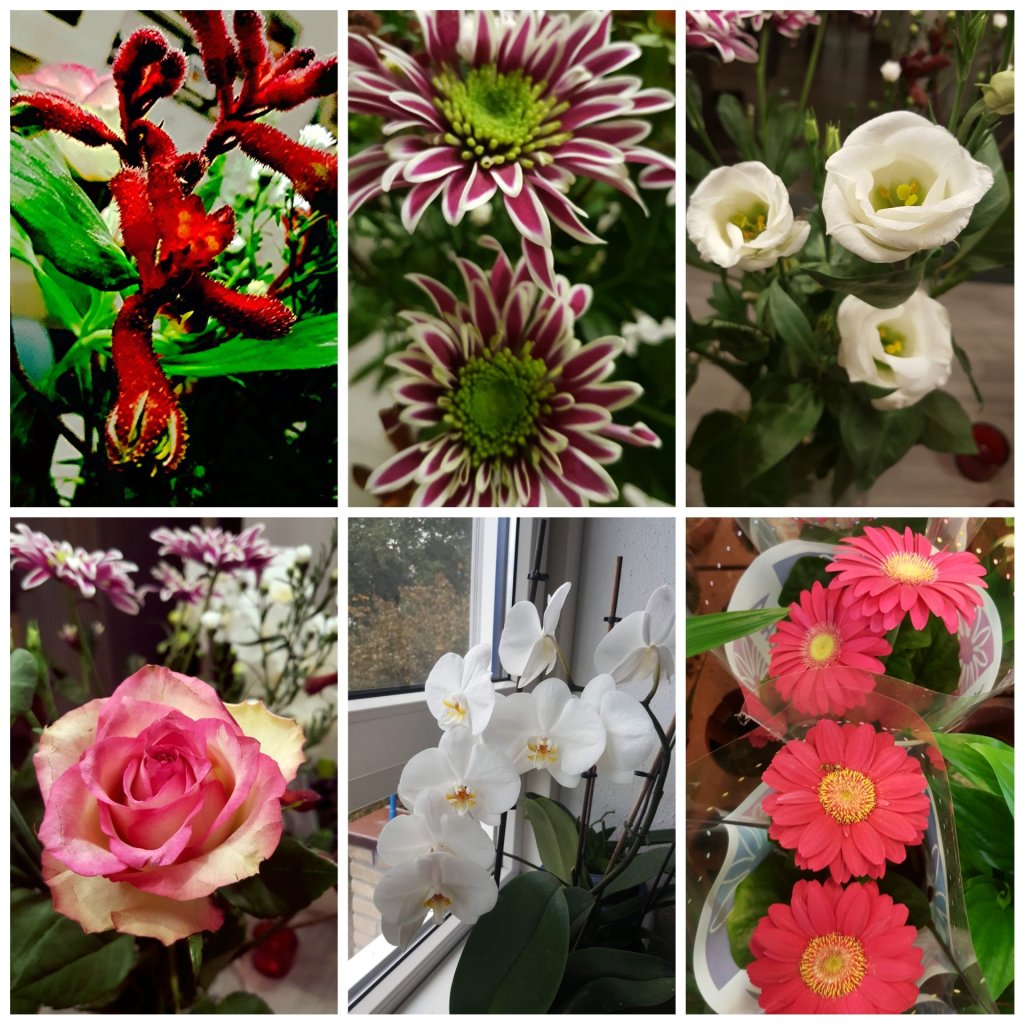
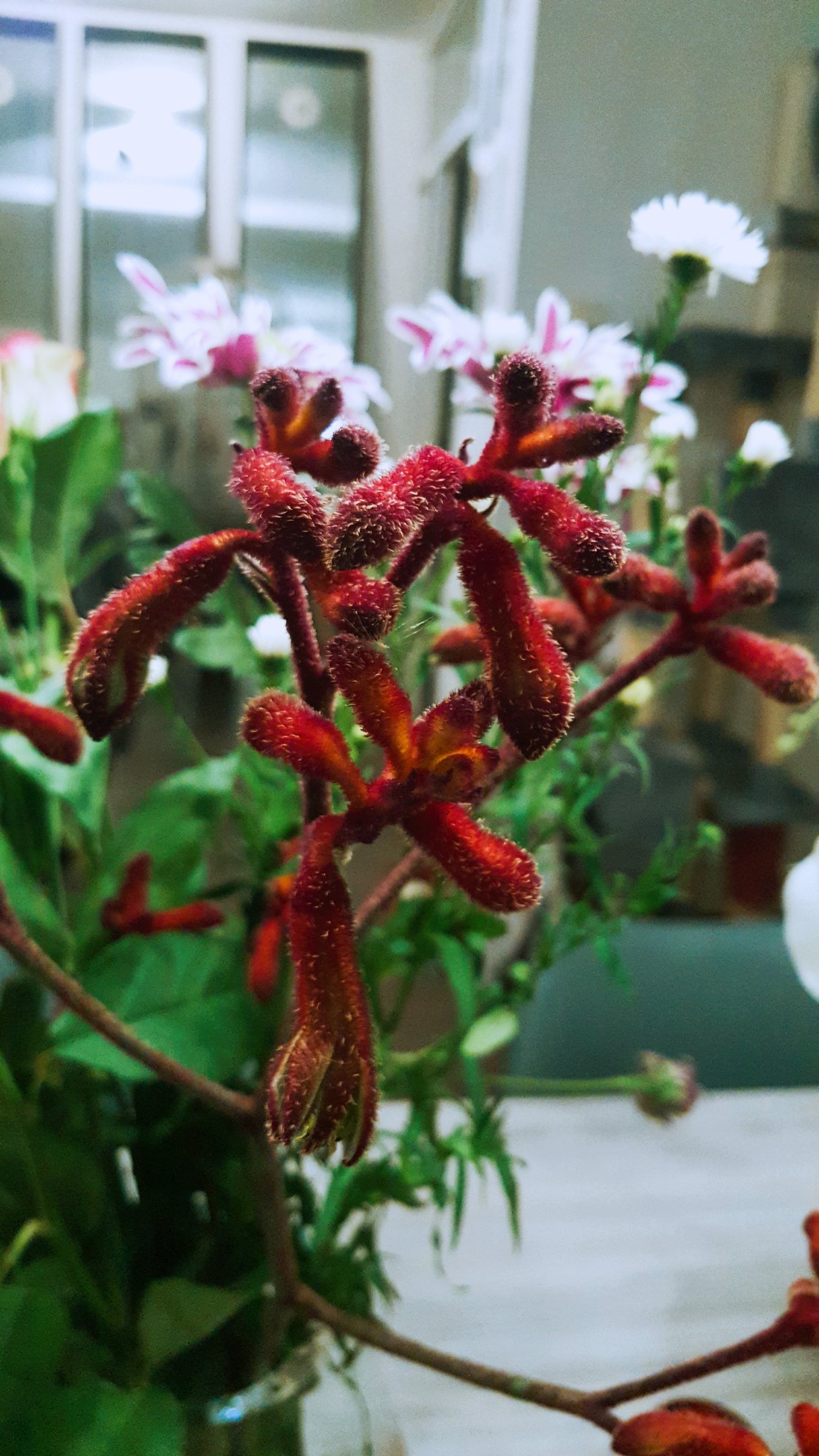
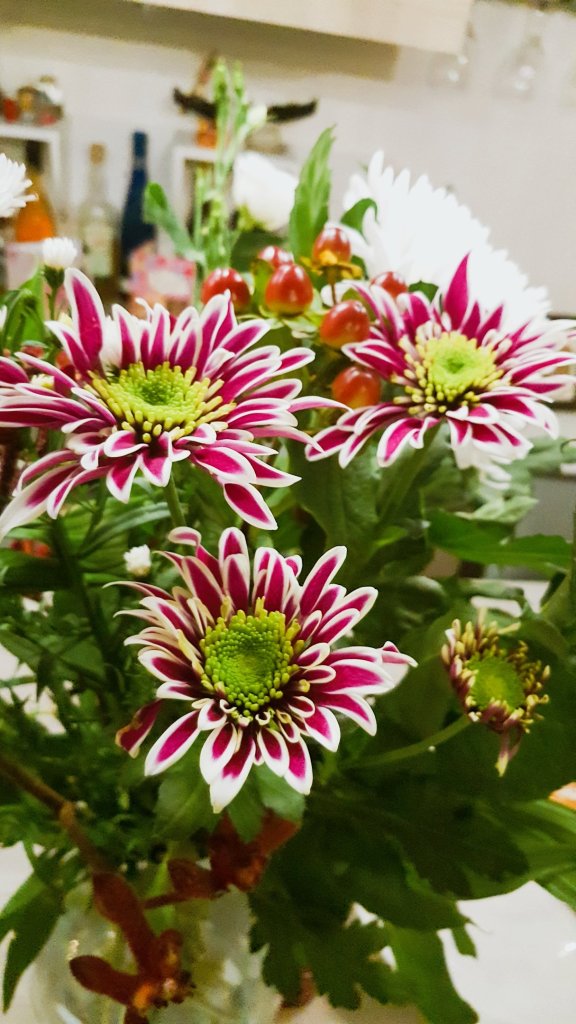
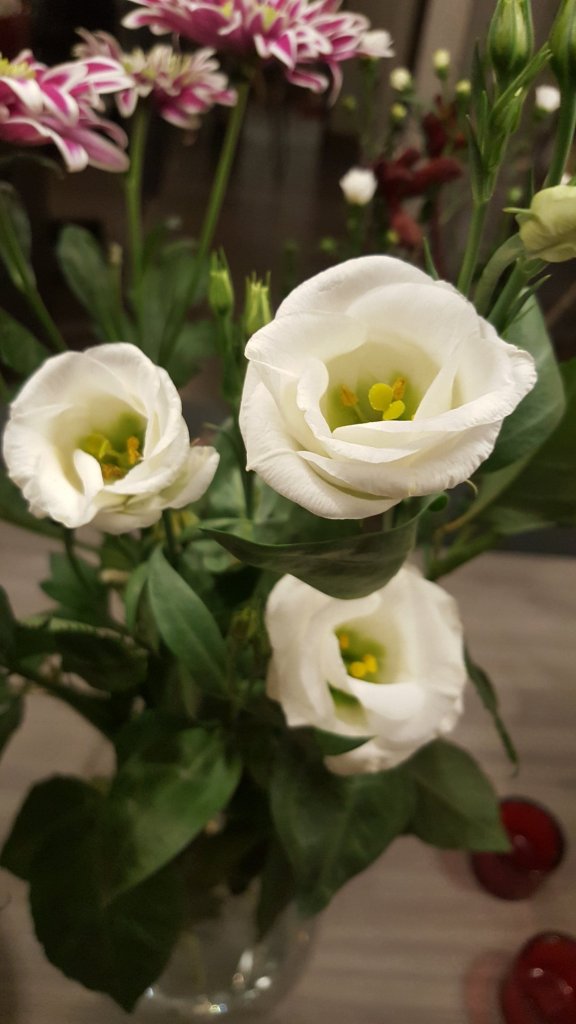
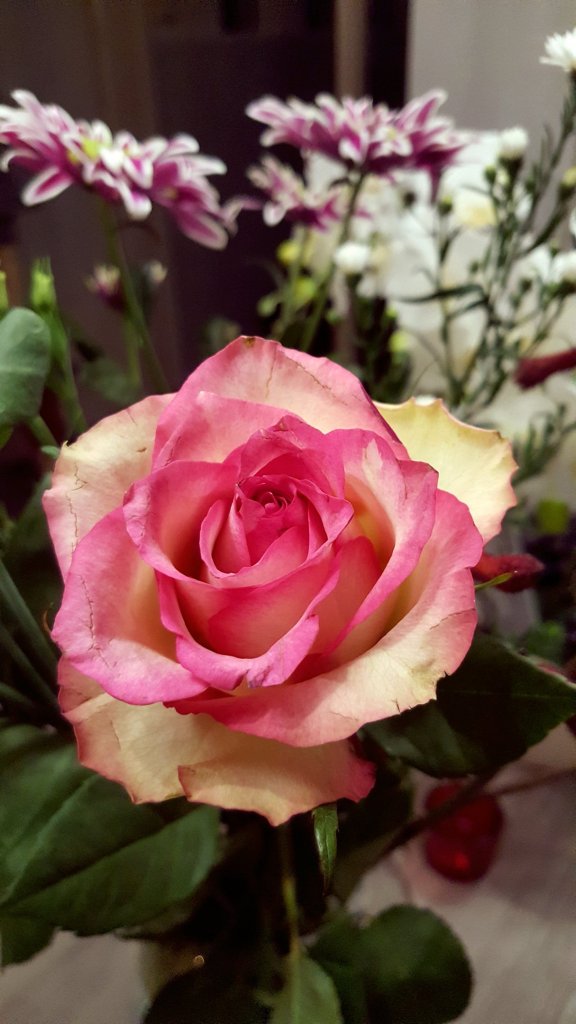
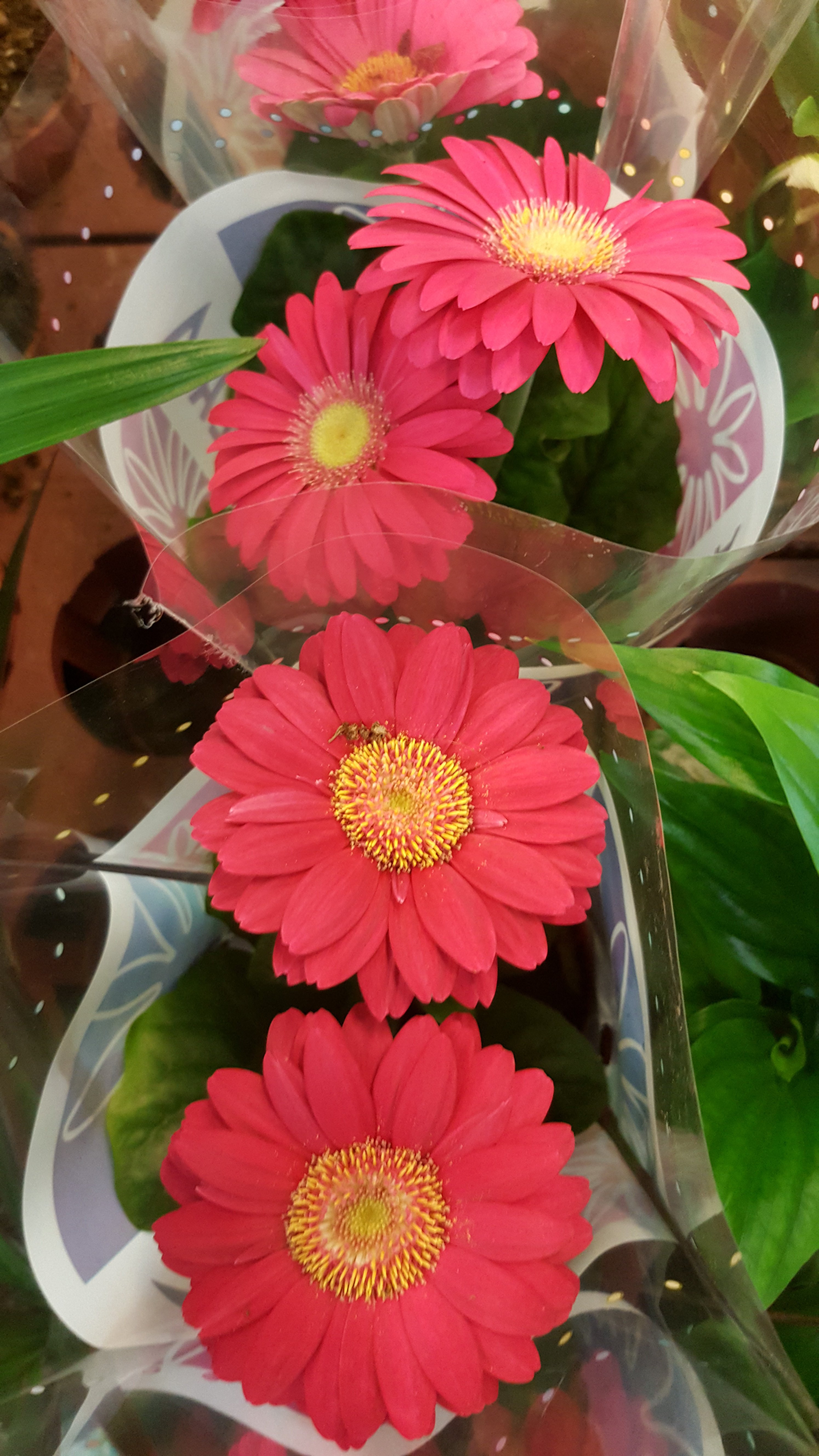
Well, here are some of my favourite Non Toxic Flowers that are safe for your cats that I tried for my 3 cats.
●Kangaroo Paw ●China Aster ●Lisianthus ●Bengal Rose ●Orchids ●Gerber Daisy
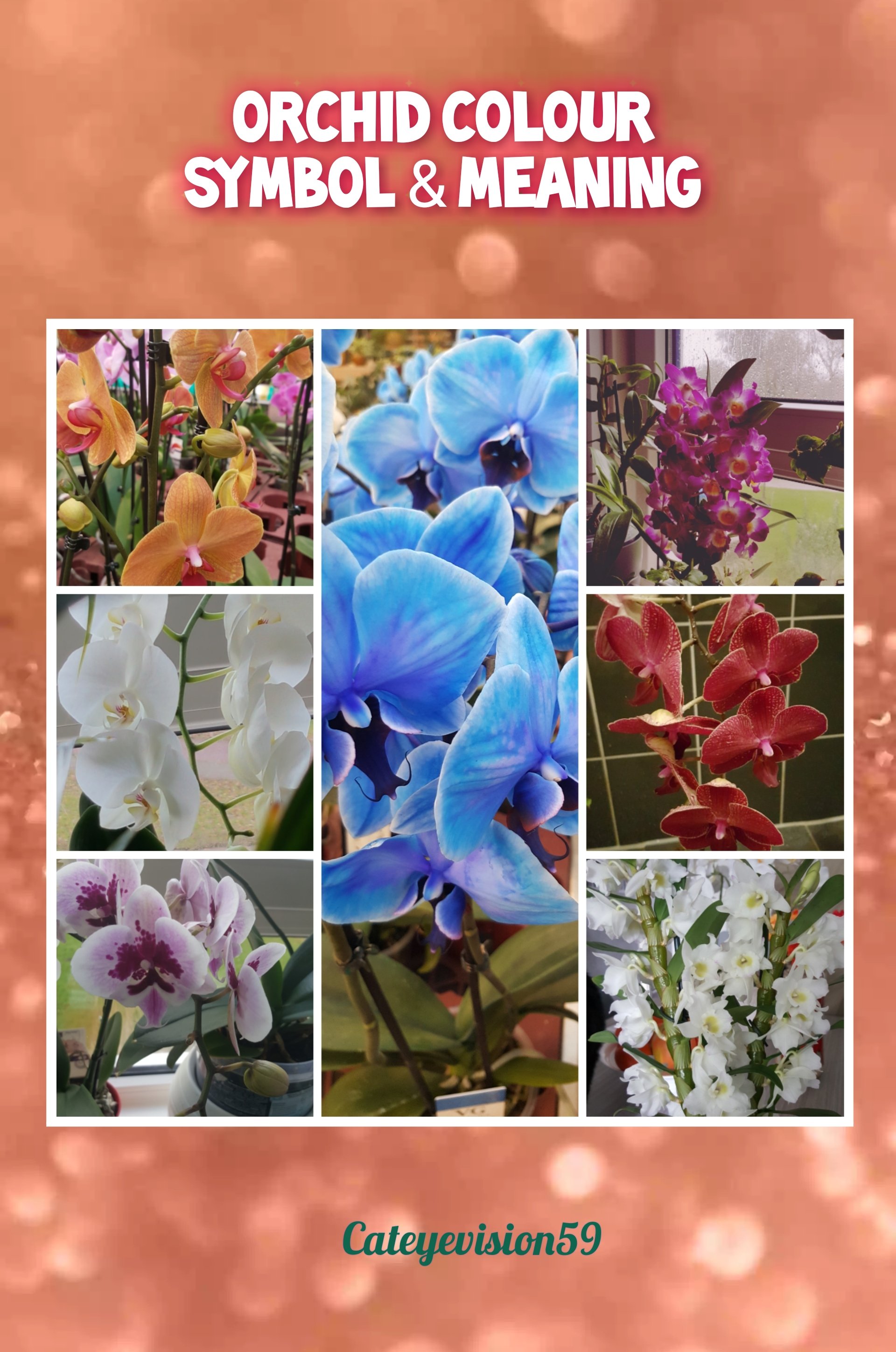
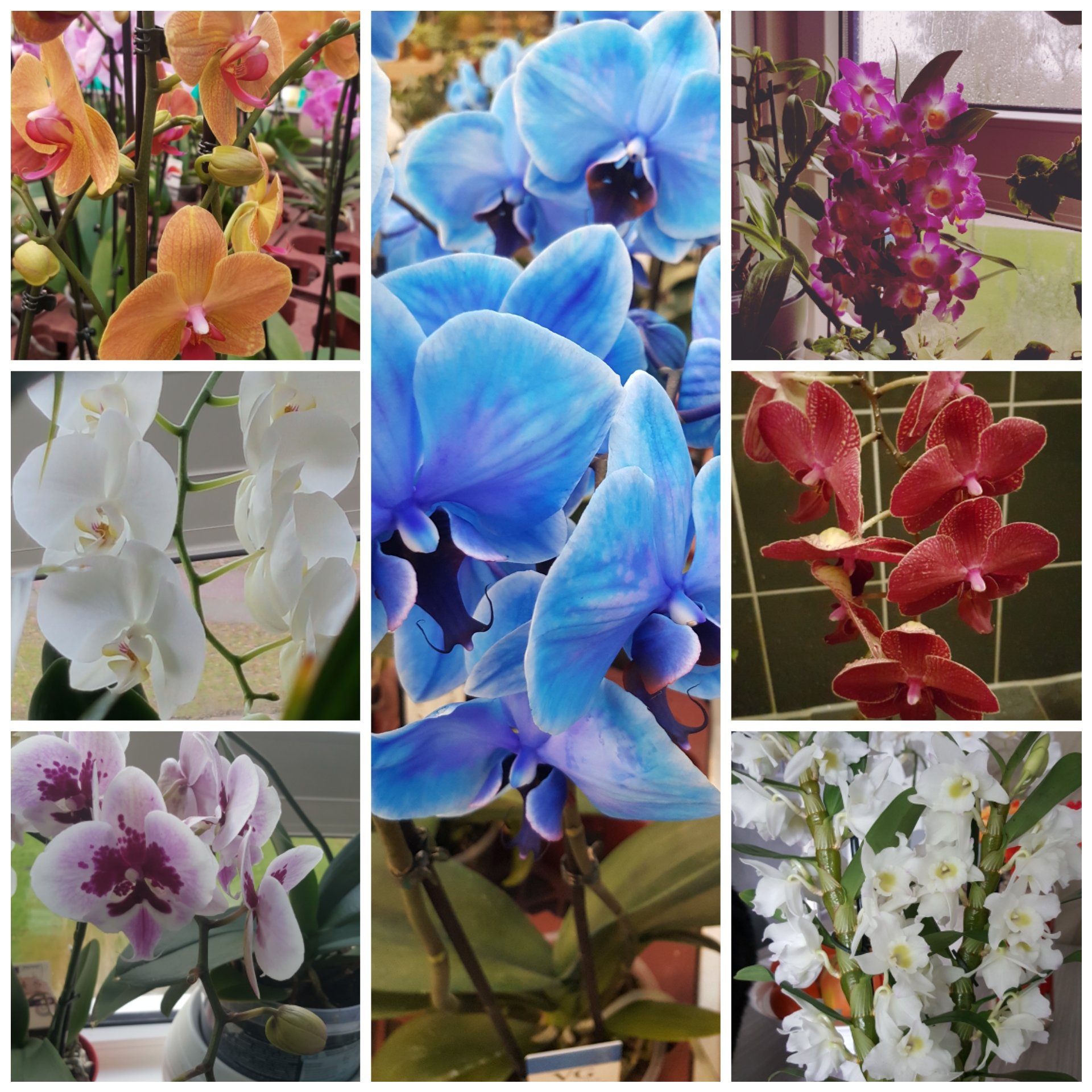
Orchids symbolize thoughtfulness, refinement, fertility, beauty, charm, and love, and they’re the ideal flower to commemorate all of life’s precious moments.
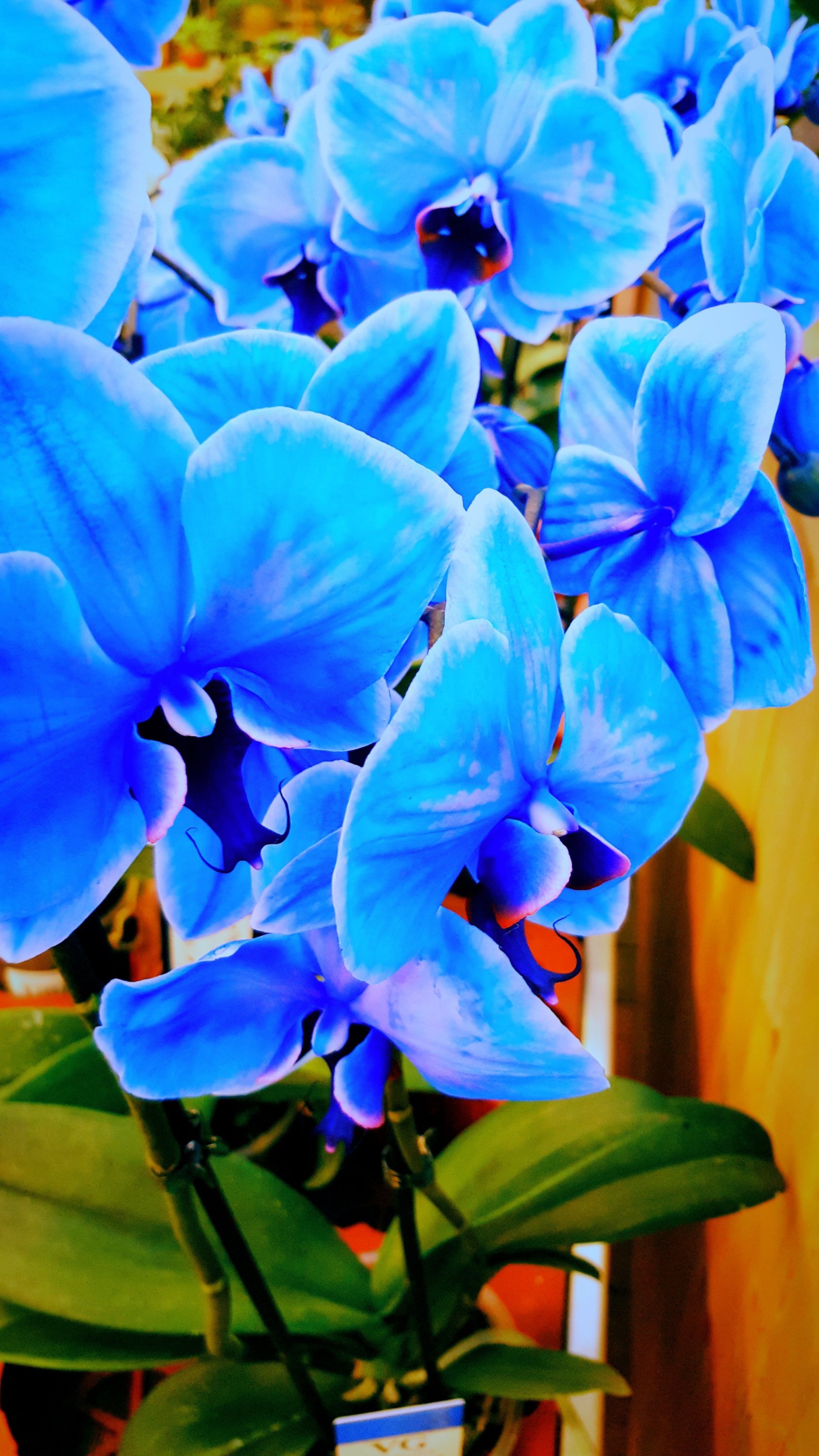
●Orchids in Blue
There is no better bloom than a blue orchid for someone you think is beautiful in their own way.
This particular blue flower represents its unique yet natural beauty, which can also be found in the people we hold dear to our hearts.
Aside from its beauty, rarity, and uniqueness, the blue orchid is also a spiritual symbol.
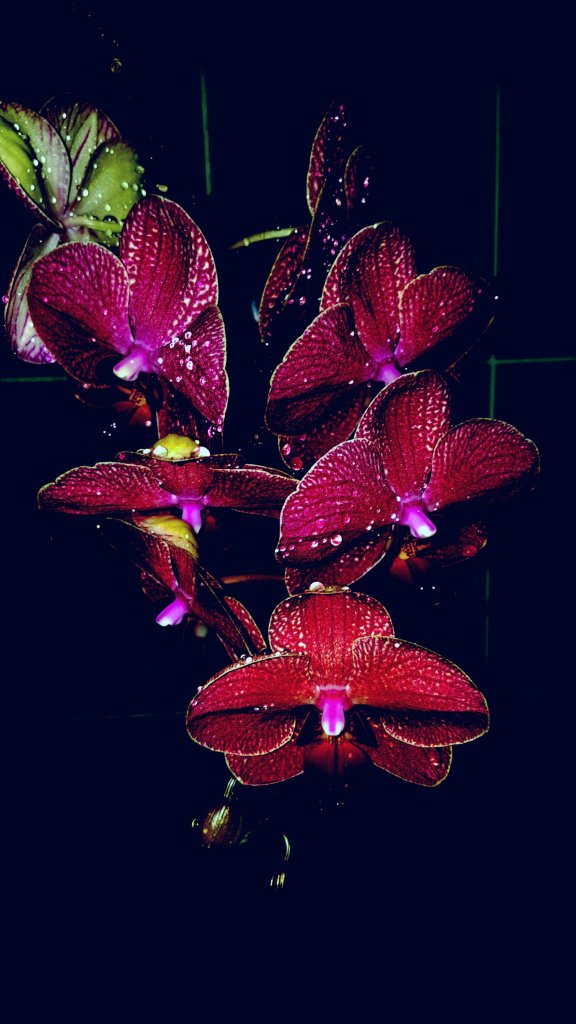
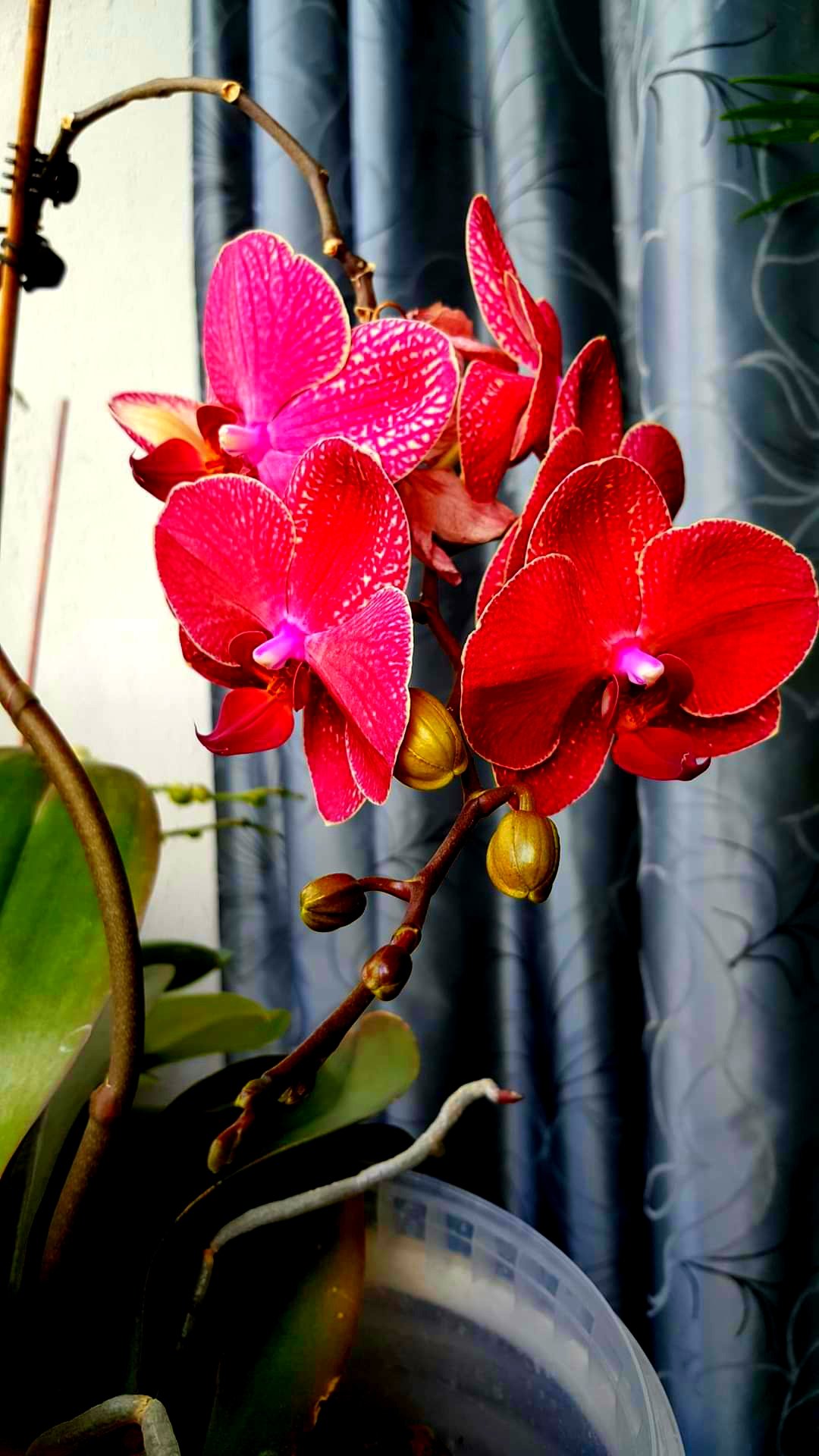
●Orchids in Red
The Aztecs would drink an elixir made of chocolate and orchids to increase their own power and strength.
Red orchids, in addition to representing strength, also represent determination, courage, perseverance, desire, passion, and love.
This striking bloom is ideal for sending to someone you adore, or for pairing with red roses for a perfect match.
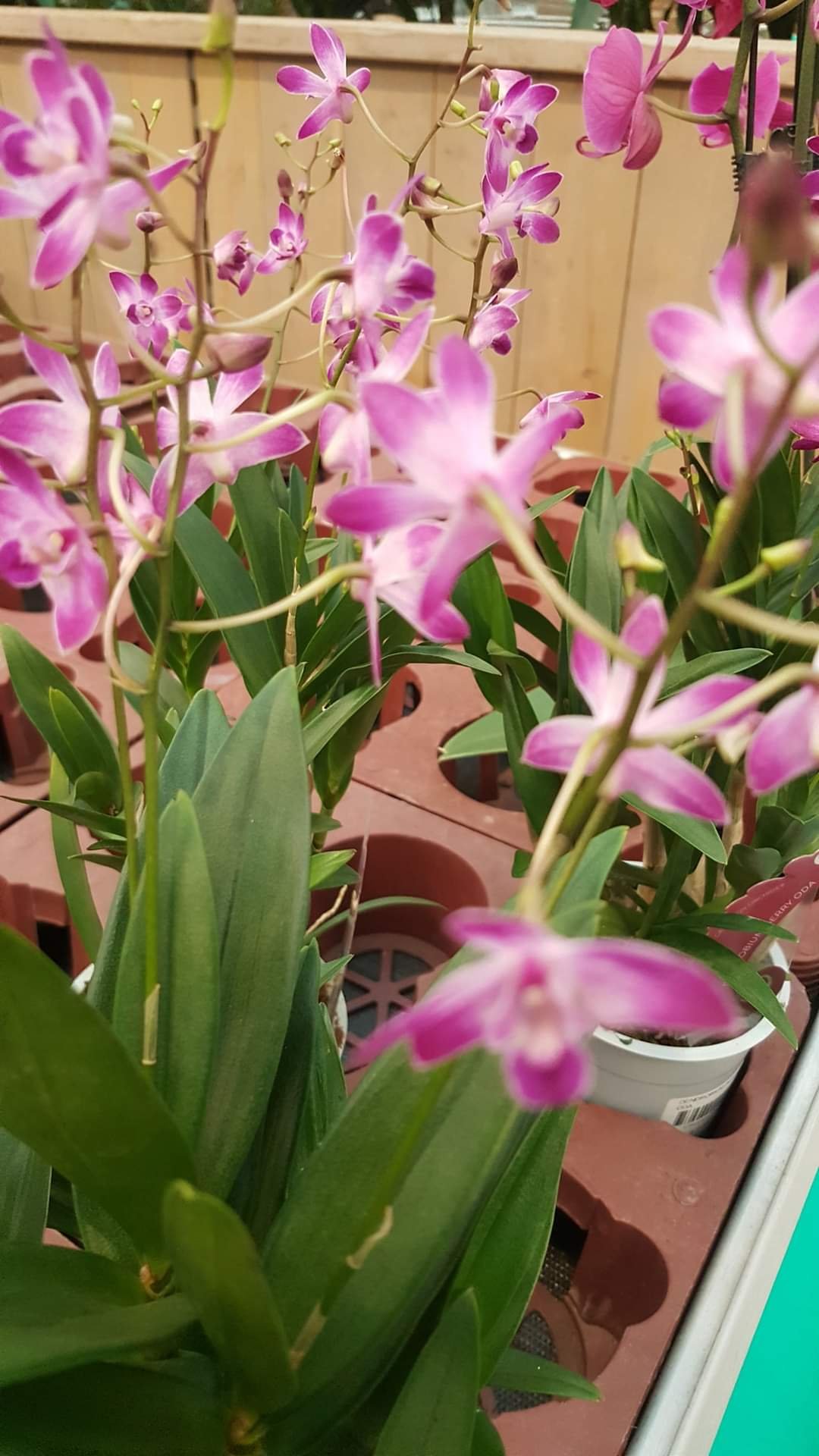
●Orchids in Pink
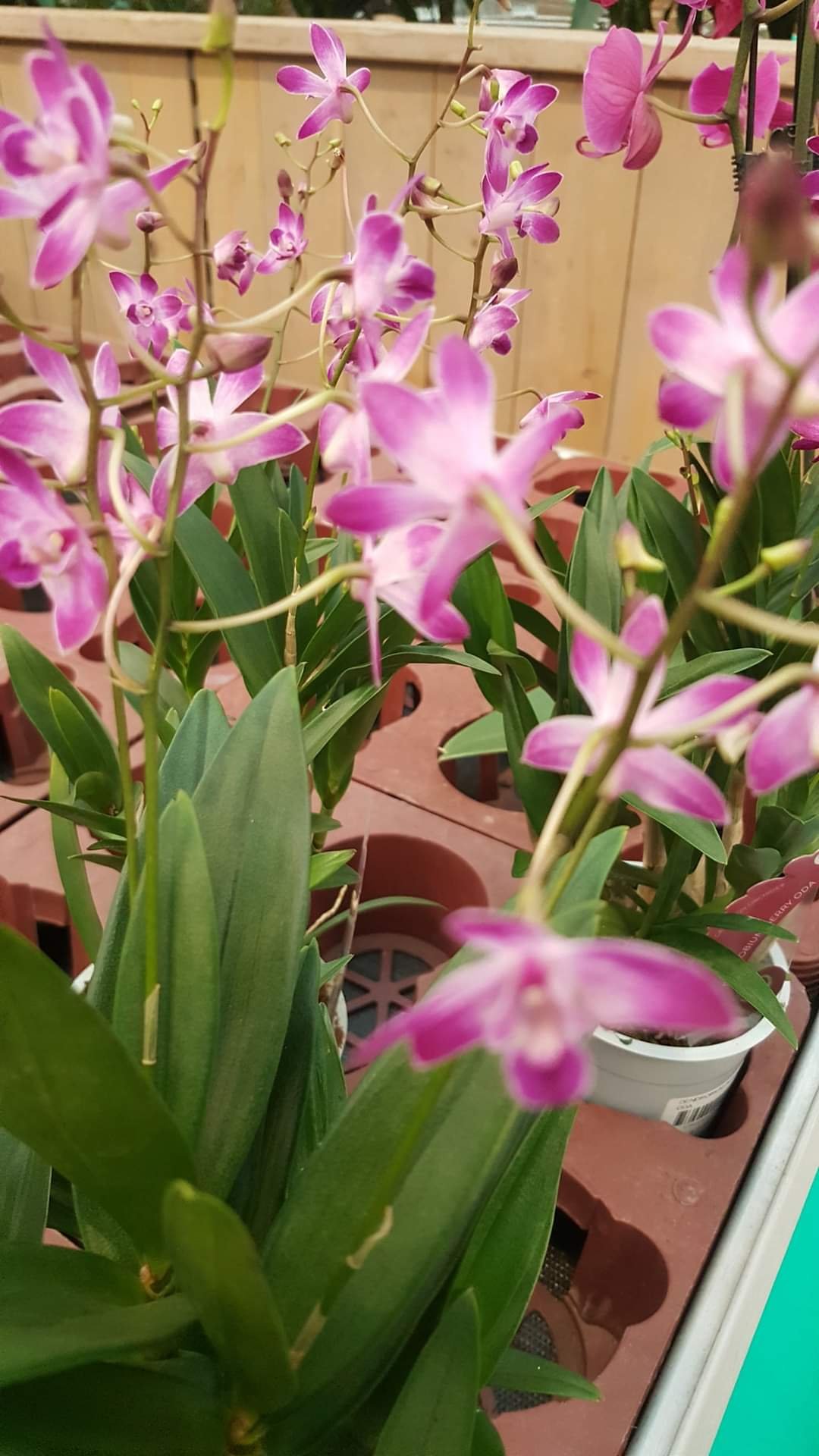
Pink orchids are a sweet bloom that symbolizes grace, gentleness, innocence, happiness, playfulness, and fertility.
This pink flower is ideal for assisting growing families and expecting mothers in celebrating the arrival of their new bundle of joy.
Pink orchids are also an excellent choice for baby showers, baptisms, and even weddings.
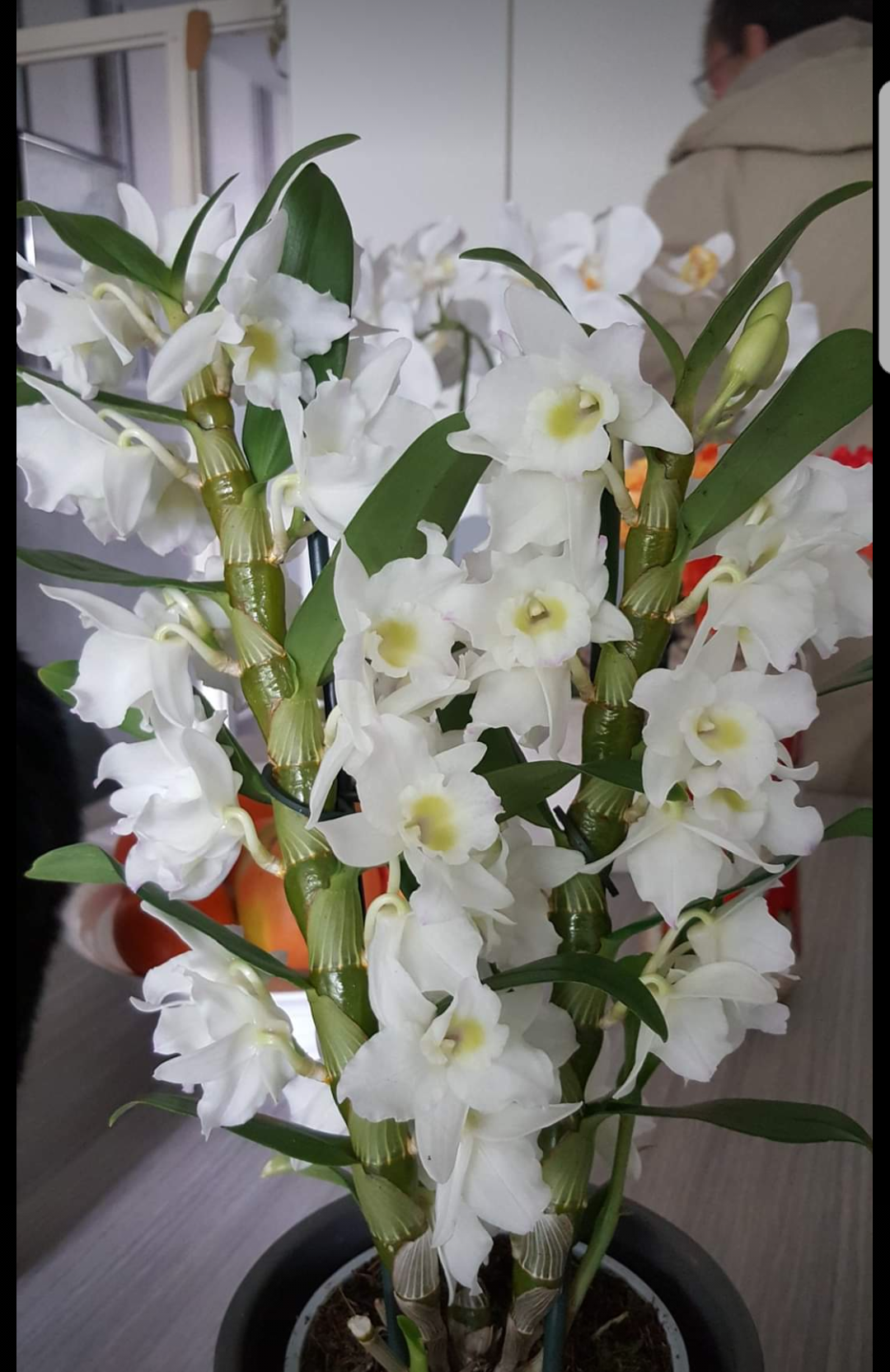
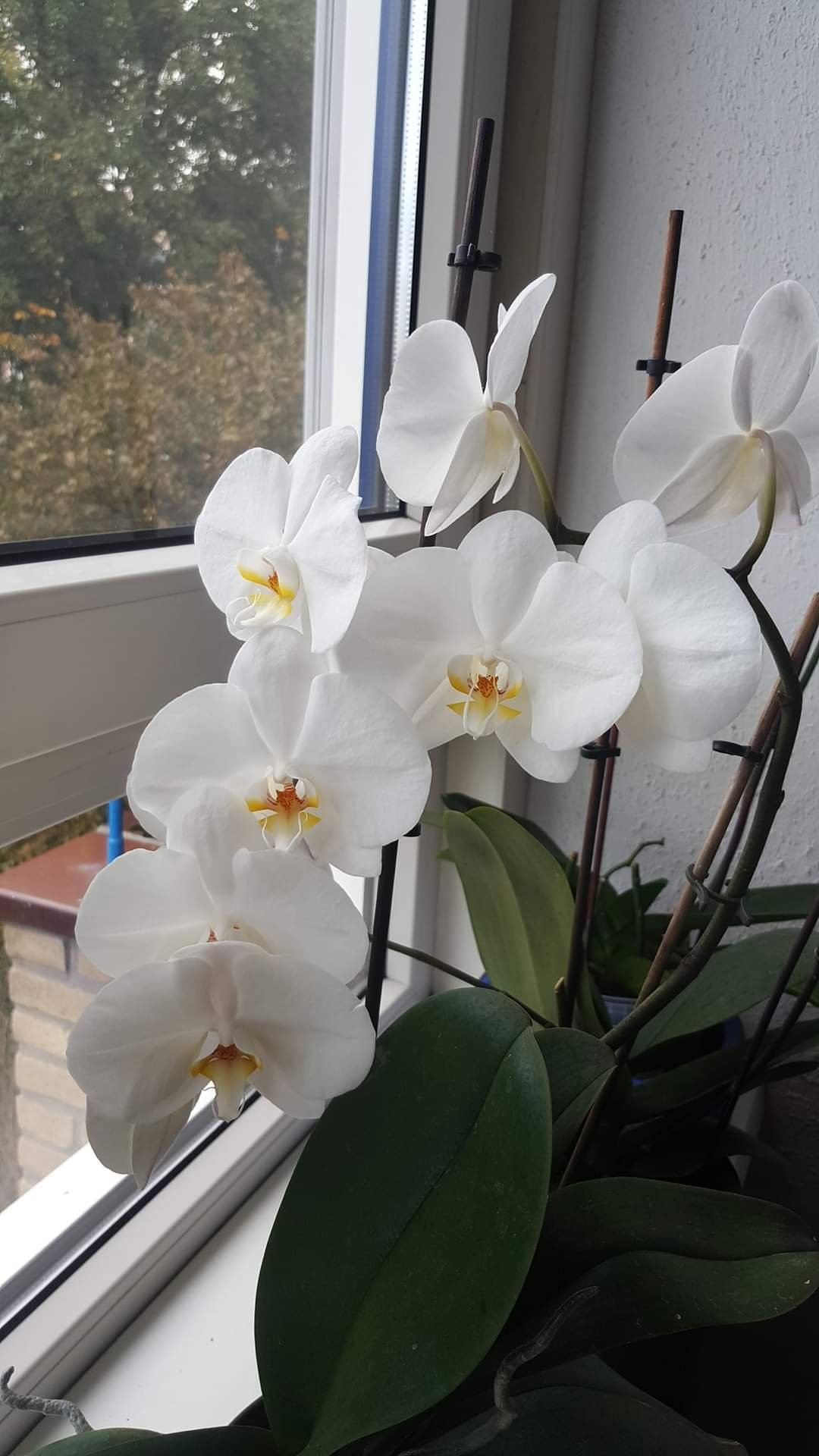
●Orchids in White
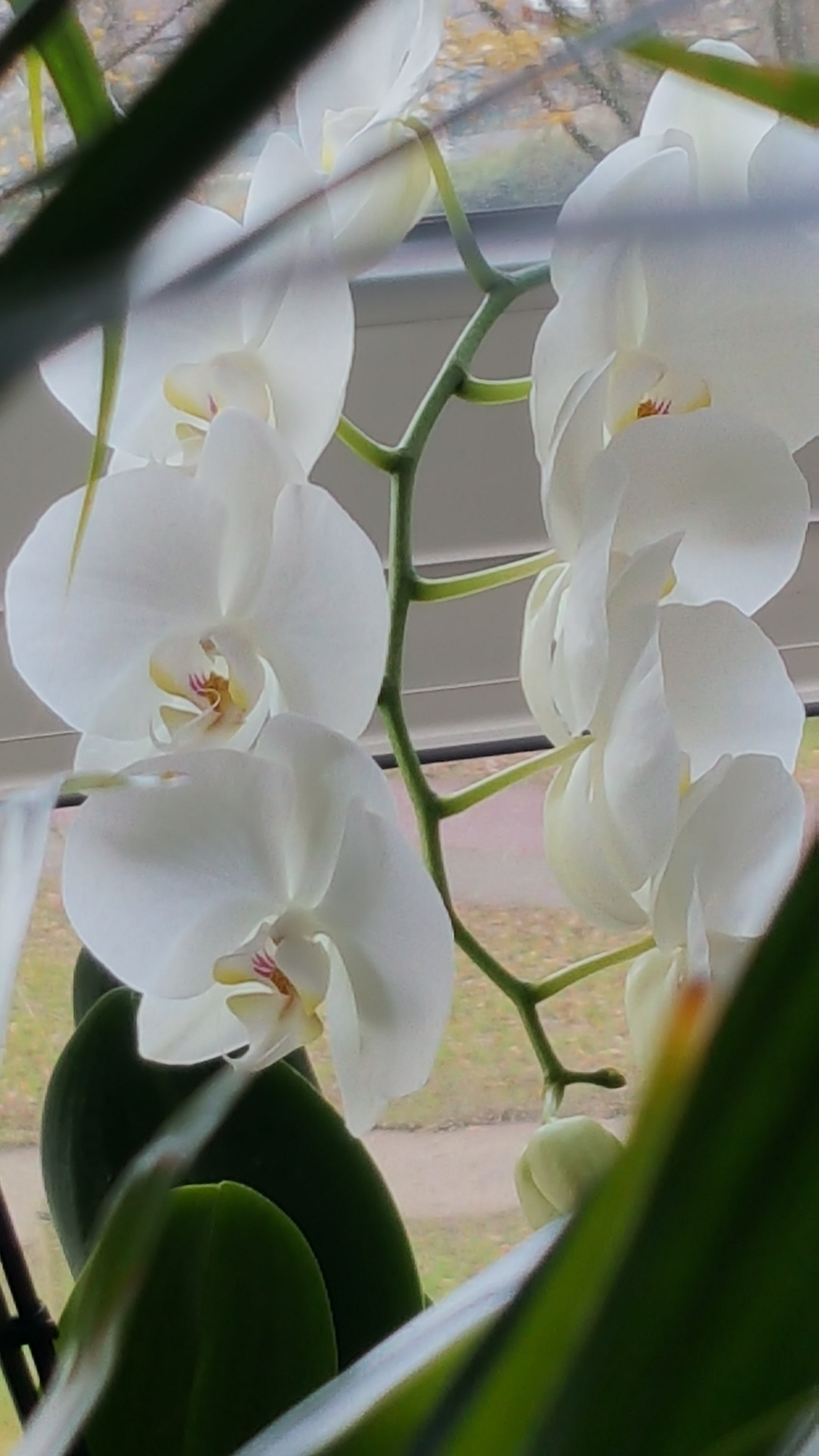
The second thought that comes to mind when we think of the color white is purity.
These fresh orchids, in addition to being a symbol of purity, also represent faith, humility, safety, elegance, innocence, and beauty.
Choose white orchids for purity and elegance in your wedding florals, faith and spirituality at a special place of worship, or simply to enjoy their beauty in your home.
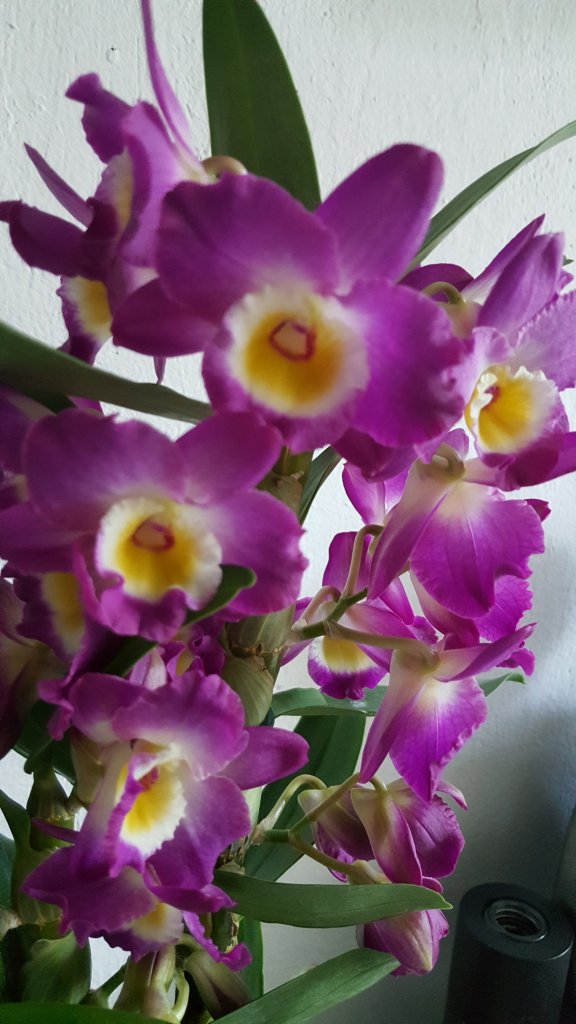
●Orchids in Purple
The upper class’s love for these awe-inspiring blossoms during the Victorian era left an indelible mark on the symbolism of orchids.
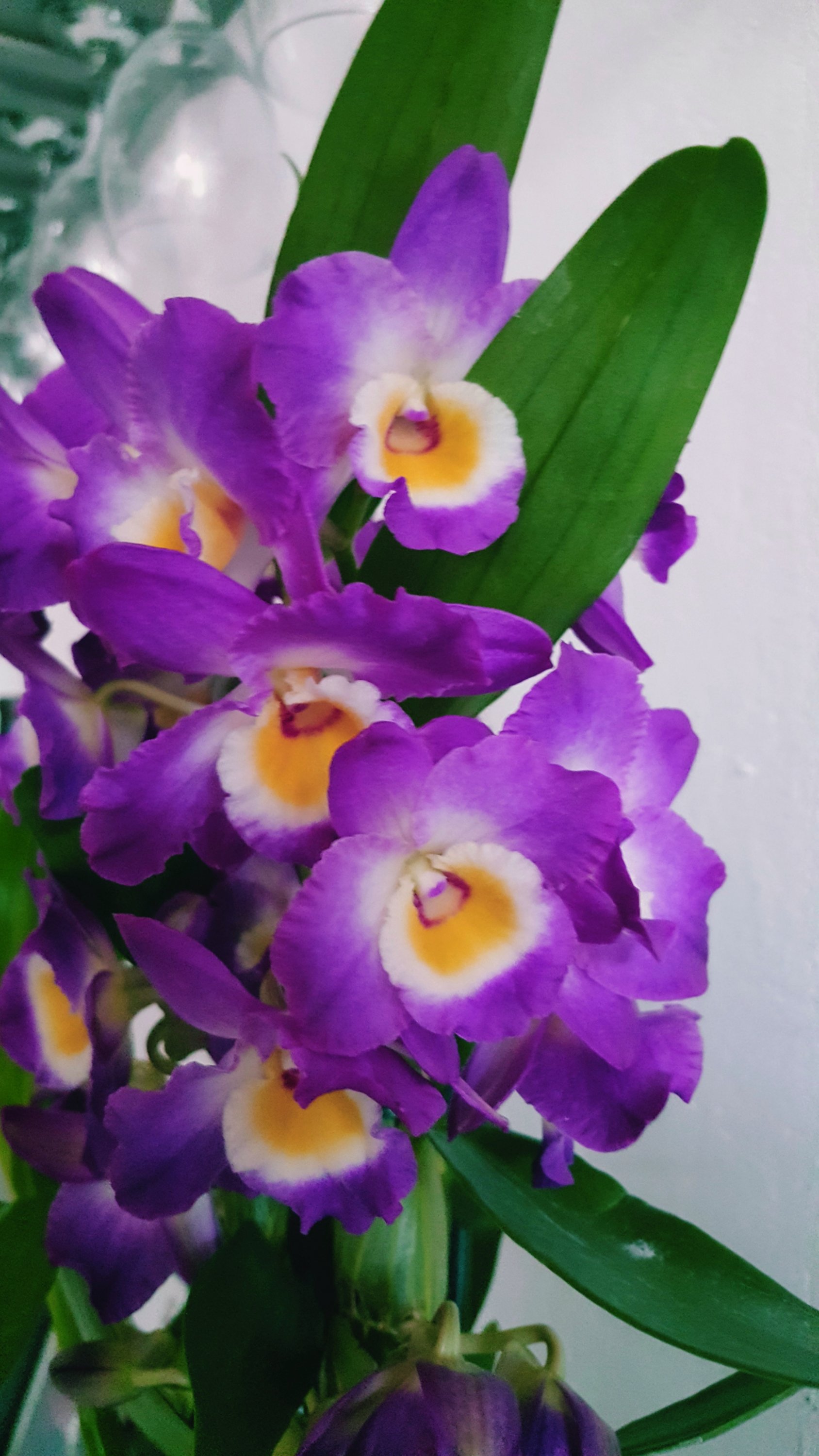
Purple orchids have been associated with power, dignity, and monarchy ever since.
Purple orchids will let you convey affection and respect to those who receive this gorgeous bloom if you enjoy sending flowers.
●Orchids in Yellow
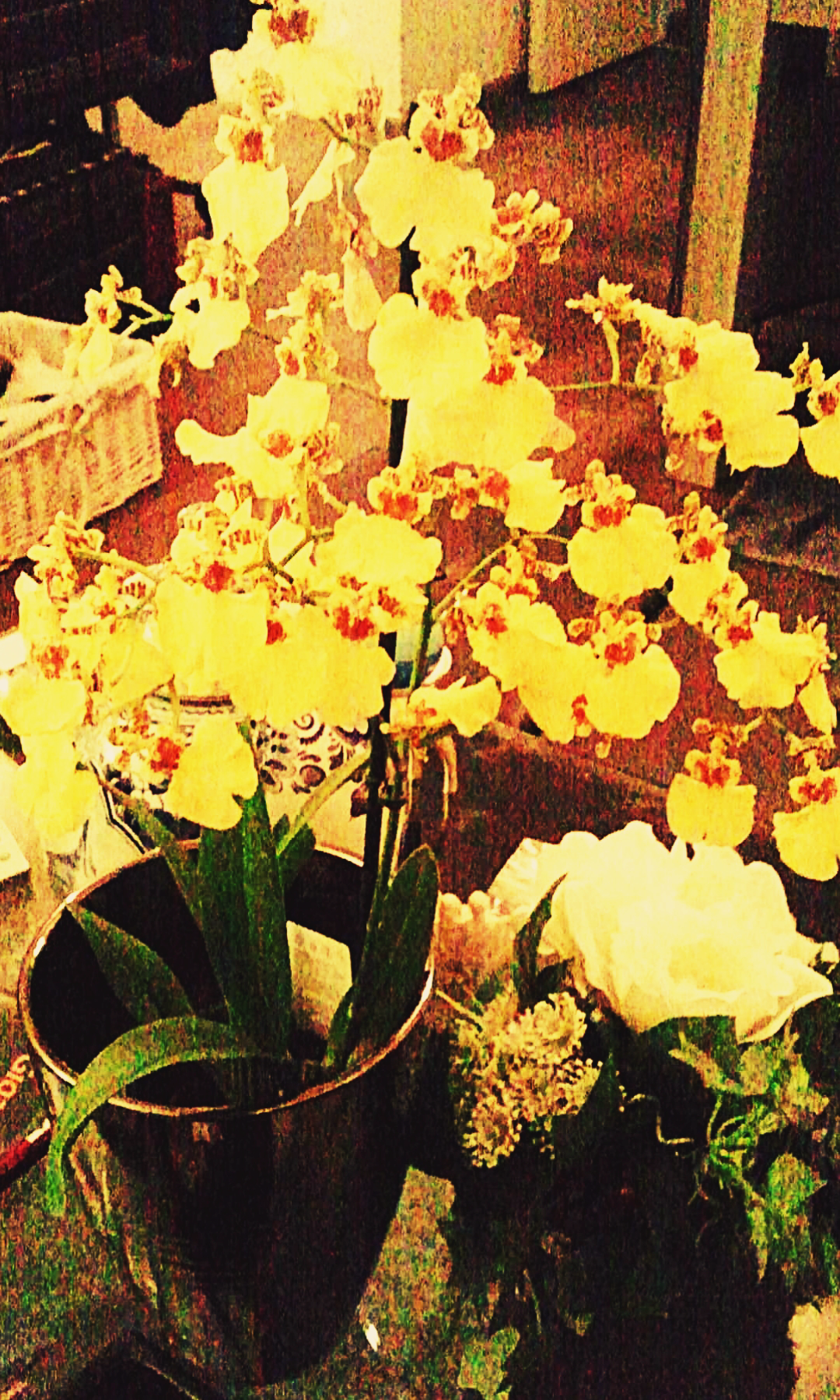
Yellow orchids are a symbol of friendship, new beginnings, and joy since they are a cheery, pleasant, and hopeful colored flower.
This vibrant bloom is ideal for sending to long-distance friends, encouraging a new chapter in someone’s life, and spreading joy.
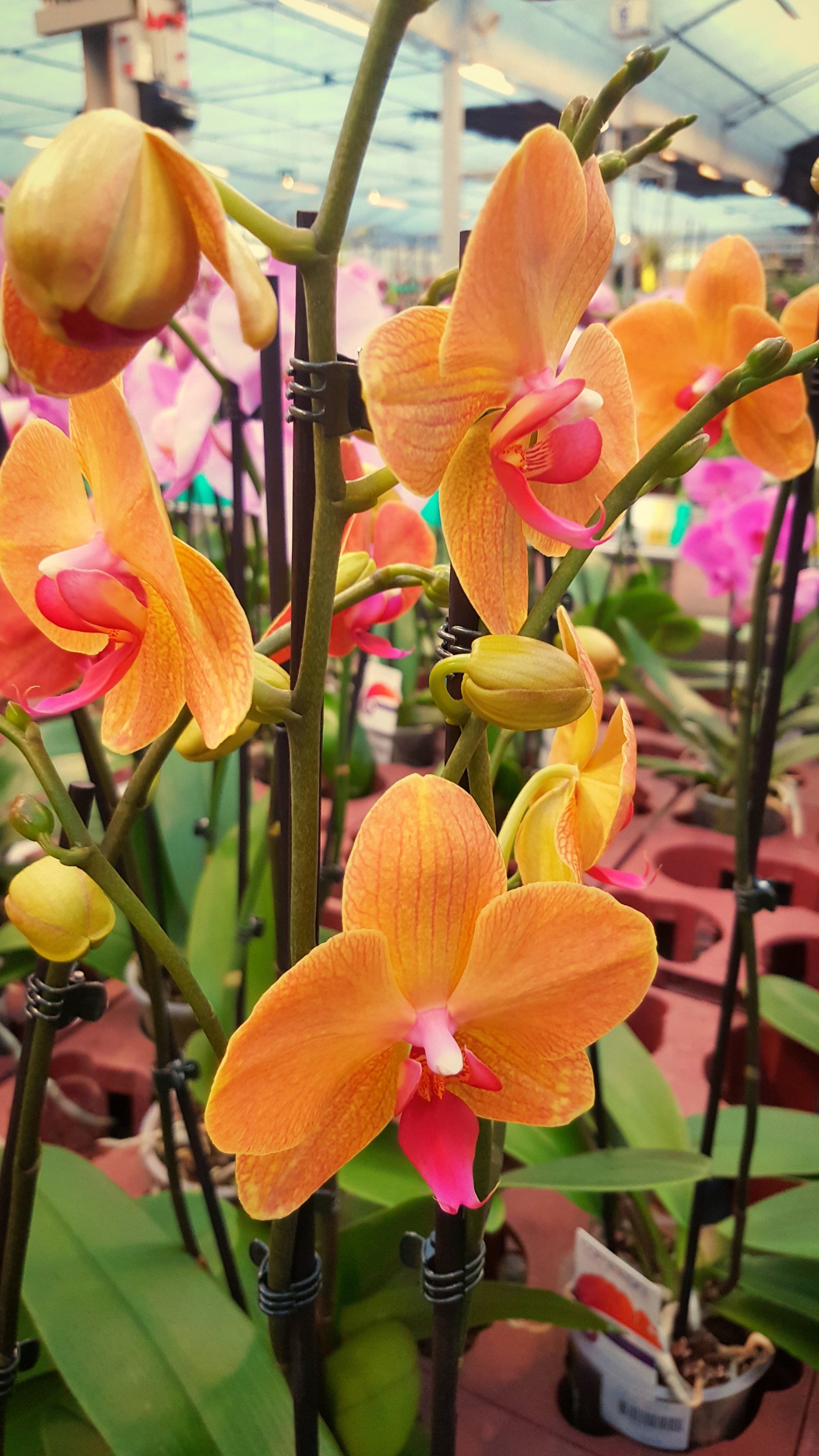
●Orchids in Orange
Orange is a fantastic color that symbolizes creativity, excitement, sunshine, and success.
The orange orchid also represents enthusiasm, boldness, and pride.
Incorporate this vibrant flower into any celebration, such as a new adventure, a job promotion, or to bring a new boost and inspiration into your office or home.
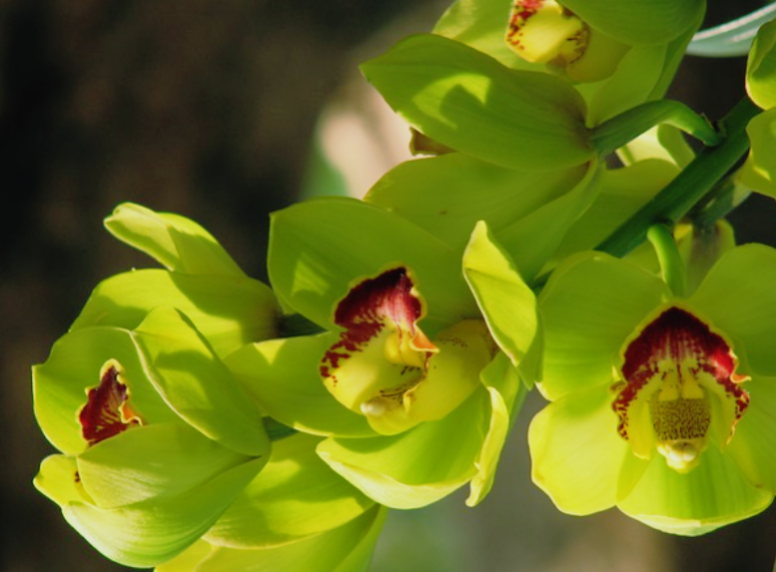
●Orchids in Green
Giving green orchids to friends and family can give them a little extra luck and blessings .
The connotations associated with green orchids, such as good fortune, good health, longevity, and even nature, inspired this profound gesture.
Displaying a green orchid at your house or office, according to Japanese tradition, is thought to bring good luck. good fortune in your personal and professional life.




















 My life's bits and pieces blog